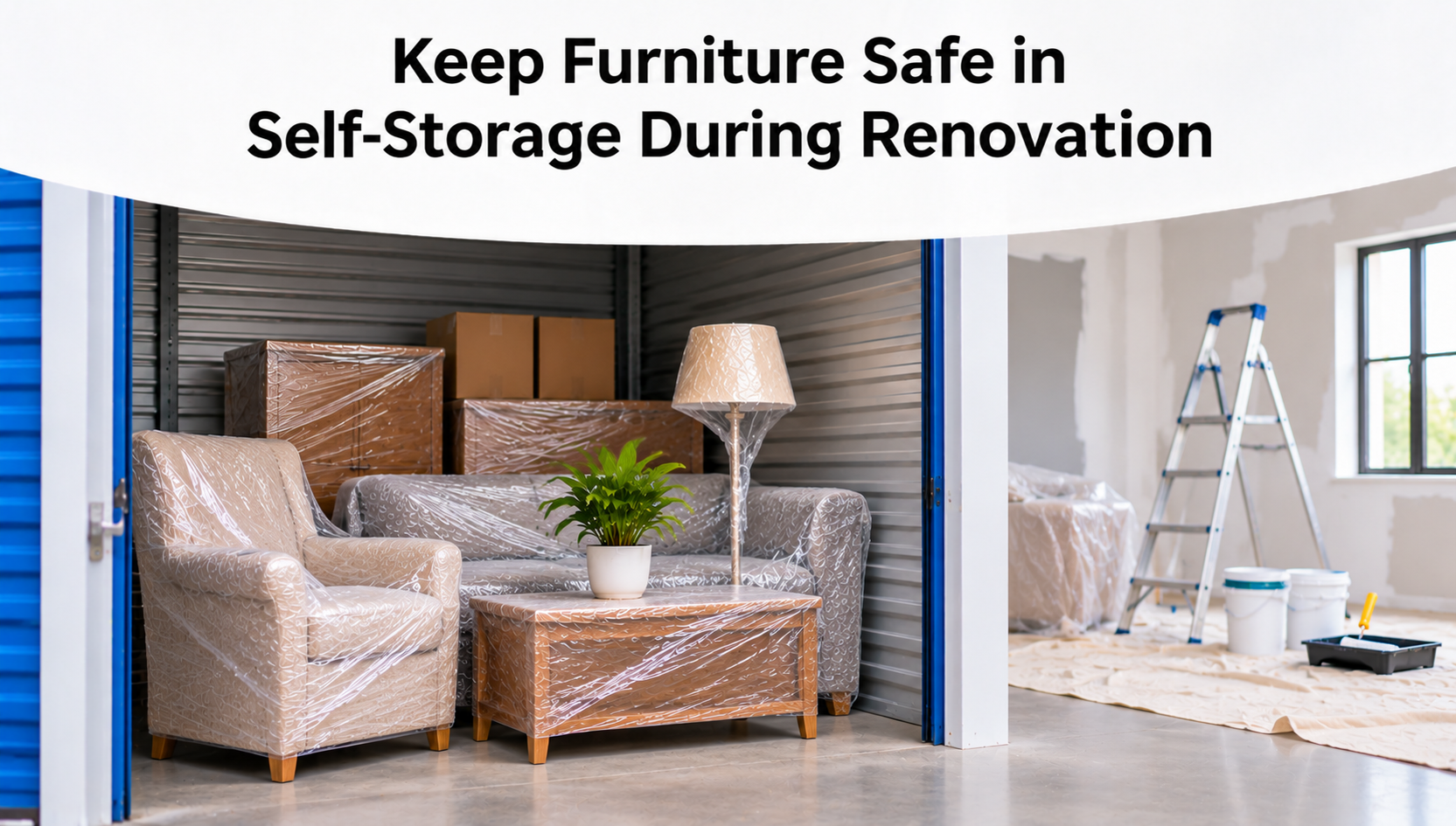
Storing furniture in a self-storage unit is a practical way to free up space in your home, manage a move, or keep belongings safe during a renovation. However, furniture can deteriorate when it is not prepared and stored correctly. Dust, moisture, pests, extreme temperatures, and improper stacking can cause scratches, stains, mold, and structural damage.
Whether you are storing wooden tables, upholstered sofas, mattresses, antique furniture, or household appliances, each item requires appropriate preparation. Simply placing furniture inside a storage unit and leaving it unattended for several months can lead to avoidable problems, particularly when the unit has poor ventilation or fluctuating humidity levels.
The best way to protect furniture during storage is to clean it thoroughly, use suitable protective materials, disassemble larger pieces when possible, and choose an appropriate storage environment. This guide explains the essential dos and don'ts of storing furniture in a self-storage unit, along with practical advice to help maintain its condition during short-term and long-term storage.
Key Takeaways
- Clean and completely dry furniture before placing it in storage to reduce the risk of stains, odors, mold, and pest activity.
- Use moving blankets, furniture pads, and breathable covers to protect surfaces from dust, scratches, and accidental damage.
- Disassemble larger furniture where possible and keep screws, bolts, and other small components labeled and organized.
- Consider climate-controlled storage for wooden, leather, antique, and upholstered furniture that is sensitive to temperature and humidity changes.
- Avoid overcrowding the unit, placing heavy objects on upholstered furniture, or storing furniture directly on the floor.
- Do not wrap furniture in airtight plastic coverings for extended periods because trapped moisture can encourage mold and mildew.
- Review self-storage insurance coverage to understand how eligible furniture is protected against specified unexpected losses.
Pro Tip
Before storing furniture, take photographs of every item, clean all surfaces, and make sure everything is completely dry. Remove detachable parts, protect corners with padding, and use breathable furniture covers instead of tightly sealing upholstery or wooden furniture in plastic. Keep furniture elevated where practical, leave space between items for air circulation, and inspect the storage unit periodically. These simple precautions can help prevent avoidable damage and make it easier to document the condition of your belongings if you need to file an insurance claim.
Dos of Storing Furniture in a Self-Storage Unit
Proper furniture storage begins with preparation. Different materials require different levels of protection, and taking the right steps before moving furniture into a unit can help preserve its appearance, structure, and usability. Follow these essential dos when preparing furniture for self-storage.
1. Clean Your Furniture Before Storage
Always clean furniture thoroughly before placing it in a storage unit. Dust, dirt, food particles, body oils, and other residues can accumulate during storage and contribute to unpleasant odors, stains, and pest problems. Cleaning also helps prevent existing dirt from becoming more difficult to remove after several months.
Use cleaning products suitable for each furniture material. Wipe wooden furniture with an appropriate wood cleaner and allow it to dry completely. Upholstered sofas and chairs should be vacuumed to remove dust, crumbs, and debris from cushions and fabric surfaces. Leather furniture requires a suitable leather cleaner and conditioner to help maintain its finish.
If you are storing dining tables, kitchen cabinets, or other furniture that may have come into contact with food, pay particular attention to hidden corners and drawers. Make sure every surface is dry before covering the furniture. Storing damp furniture can create conditions that encourage mold and mildew growth.
2. Use Appropriate Furniture Packing Materials
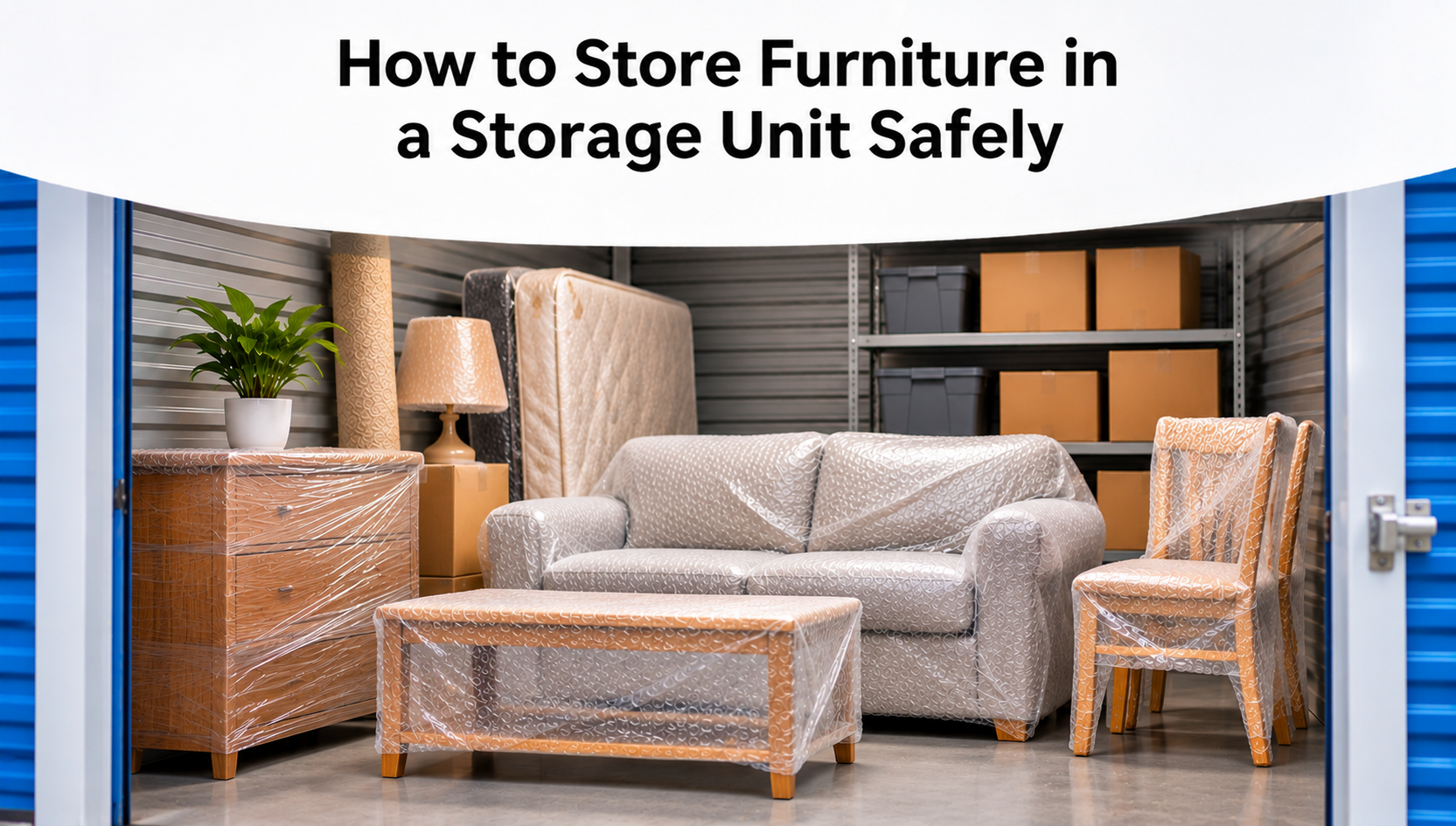
Choosing the right packing materials is essential for preventing scratches, dents, dust accumulation, and other damage during storage. Moving blankets, furniture pads, padded covers, and bubble wrap can provide additional protection for different types of furniture.
Use moving blankets or furniture pads to cover wooden tables, cabinets, dressers, and other large pieces. Secure the padding without applying excessive pressure to delicate surfaces. Bubble wrap can be useful for protecting glass components, decorative details, and fragile furniture parts, but avoid placing it directly against delicate finishes for extended periods.
For upholstered furniture, use clean, breathable fabric covers that protect against dust while allowing air circulation. Avoid tightly sealing sofas, chairs, and wooden furniture in plastic sheeting for long-term storage because trapped moisture can contribute to condensation and mold growth.
You can also use protective corner guards to reduce the risk of dents and scratches while moving furniture through doorways and loading areas. For additional packing guidance, read 10 tips for storing fragile items in a storage unit.
3. Wrap and Protect Furniture Properly
Furniture can develop scratches, dents, stains, and surface damage when it comes into contact with other belongings during transportation or storage. Proper wrapping creates a protective barrier and helps keep individual pieces in good condition until they are needed again.
Start by removing dust and cleaning the furniture. Cover sharp corners, edges, and delicate sections with suitable padding. Use furniture blankets for larger items and secure them with straps or tape that does not come into direct contact with delicate finishes. For glass tabletops and mirrors, use appropriate protective packaging and store them in a stable upright position when suitable for the item.
Mattresses should be placed in covers specifically designed for mattress storage. These covers help protect against dust, dirt, and accidental contact with other stored items. Make sure the mattress is completely dry before covering it and follow the manufacturer's storage recommendations.
For more detailed preparation techniques, explore our guide on protecting fragile belongings during storage.
4. Disassemble Larger Furniture Pieces
Disassembling large furniture can make transportation easier and help you use storage space more efficiently. Items such as bed frames, dining tables, desks, shelving units, and modular furniture often have detachable components that can be removed before storage.
Removing table legs, bed frames, handles, and detachable shelves can reduce the overall size of furniture and make it easier to arrange inside the unit. It can also reduce pressure on delicate joints and protruding sections during transportation and storage.
Place screws, bolts, brackets, and other small components in labeled bags. Attach the bags to the corresponding furniture pieces or keep them together in a clearly marked container. Take photographs during disassembly so you can refer to them when reassembling the furniture later.
Do not force apart furniture that is not designed to be disassembled. If a piece contains delicate joints, antique fittings, or complex mechanisms, follow the manufacturer's instructions or seek professional assistance.
5. Consider Climate-Controlled Storage
Temperature and humidity fluctuations can affect furniture, particularly when it remains in storage for several months. Wooden furniture can expand, contract, warp, or crack as environmental conditions change. Leather may dry out, while upholstered materials can develop odors and moisture-related problems in unsuitable environments.
Climate-controlled storage helps maintain more stable temperature and humidity conditions, making it a suitable option for sensitive furniture, antiques, wooden cabinets, leather sofas, and other valuable household possessions. It can be particularly beneficial when storing furniture in regions with extreme seasonal temperatures or high humidity.
Before choosing a unit, ask the facility about its temperature and humidity management, ventilation, and maintenance procedures. Climate control can reduce exposure to environmental fluctuations, but it does not guarantee protection against flooding, plumbing leaks, or every form of moisture damage.
Learn more about climate-controlled storage and when you need it to determine whether this type of storage is suitable for your furniture.
Don'ts of Storing Furniture in a Self-Storage Unit
Knowing what to avoid is just as important as preparing furniture correctly. Certain storage mistakes can cause permanent damage, even when furniture is kept inside a locked unit. Avoid the following practices to help maintain your belongings during storage.
1. Don't Overpack Your Storage Unit
Trying to fit too much furniture into a small storage unit can create several problems. Overcrowding makes it difficult to move around, increases the possibility of scratches and dents, and can place unnecessary pressure on furniture surfaces and structural components.
Wooden furniture also needs suitable environmental conditions and reasonable air circulation. Placing furniture directly against other pieces or tightly against walls can make it harder to identify moisture problems and inspect stored belongings. Overcrowding can also block ventilation and make it difficult to access items safely.
Leave reasonable gaps between furniture pieces and avoid stacking heavy items on delicate surfaces or upholstered furniture. If your belongings do not fit comfortably, consider renting a larger unit rather than forcing everything into an unsuitable space.
2. Don't Forget About Storage Insurance
Furniture can represent a significant financial investment, particularly when you are storing expensive sofas, bedroom sets, antique pieces, dining tables, or other valuable household belongings. Even when a facility has security cameras, controlled access, and individual unit locks, unexpected incidents can still occur.
Self-storage insurance can provide financial protection against specified covered losses involving eligible belongings. Depending on the policy, covered events may include qualifying burglary, fire, smoke damage, vandalism, and certain types of water damage. However, gradual deterioration, pest damage, mold, and other causes may be excluded or restricted.
Before choosing coverage, review the policy's limits, deductibles, exclusions, and requirements. Make sure the selected coverage reflects the replacement value of your furniture and check whether antiques, collectibles, or other high-value pieces have additional restrictions.
Explore Discount Storage Insurance self-storage insurance options to learn more about protecting eligible belongings while they are stored.
3. Don't Wrap Furniture in Airtight Plastic for Long-Term Storage
Using the wrong protective covering can create moisture problems inside a storage unit. Tightly wrapping wooden furniture, sofas, and other upholstered items in plastic for extended periods can trap moisture and reduce air circulation. This may contribute to condensation, unpleasant odors, and mold or mildew growth when environmental conditions are unsuitable.
Instead, use breathable cotton sheets, fabric furniture covers, or clean moving blankets to protect furniture from dust and surface scratches. These materials provide protection while allowing more air circulation around the furniture.
Plastic wrap can still be useful for securing moving blankets or keeping protective padding in position, provided it does not create an airtight seal around the furniture. Avoid placing plastic directly against delicate finishes for extended periods, particularly when storing wood or leather furniture.
Mattresses should be protected with appropriate mattress storage covers. Always make sure the mattress is dry before covering it and follow the manufacturer's storage recommendations.
4. Don't Ignore Pest Prevention Measures
Pests can cause significant damage to furniture during storage. Rodents may chew wooden components, upholstery, fabric, and packaging, while insects can damage certain materials and leave stains, droppings, or unpleasant odors. These problems may become more difficult to identify when furniture remains untouched for several months.
Take preventive measures before moving furniture into the unit. Clean all surfaces, remove food particles and debris, and make sure upholstered furniture is free from crumbs and other materials that may attract pests.
- Never store food, perishable products, or materials that may attract rodents and insects.
- Clean furniture thoroughly before storage, particularly underneath cushions and inside drawers.
- Inspect furniture for signs of existing pest activity before placing it inside the unit.
- Check the storage facility for cleanliness and ask about its pest-control and maintenance procedures.
- Use suitable protective covers and containers where appropriate to reduce exposure to pests and dust.
- Report signs of infestation to facility management rather than applying pesticides or bait products without checking facility rules.
Regular inspections can help identify pest activity before it affects multiple furniture pieces. Remember that pest-related damage may be excluded from storage insurance, so prevention is particularly important.
5. Don't Rush the Furniture Packing Process
Rushing the packing process can result in scratches, broken components, damaged upholstery, and other avoidable problems. Furniture often contains delicate edges, detachable parts, glass components, and joints that require additional protection during transportation and storage.
Prepare a packing checklist and gather the necessary supplies before moving day. Clean each item, remove detachable components where appropriate, protect fragile surfaces, and make sure furniture is wrapped securely. Avoid dragging heavy pieces across floors or forcing them through narrow doorways, as this can damage both the furniture and the surrounding property.
Take your time when loading the storage unit. Place heavier furniture on a stable base, keep delicate items away from pressure points, and arrange belongings so they cannot shift or fall. If you need to move particularly heavy or valuable furniture, consider using suitable moving equipment or professional assistance.
How to Arrange Furniture Inside a Self-Storage Unit
Preparing furniture correctly is only part of the storage process. The way you arrange belongings inside the unit can also affect their condition and make it easier to retrieve items later. A well-organized storage unit reduces unnecessary handling and helps prevent accidental damage.
- Place heavy furniture carefully: Position heavier and more stable furniture pieces first, making sure they are securely supported and cannot tip over.
- Keep furniture off the floor where practical: Use suitable pallets or platforms to reduce direct contact with the floor, particularly in units where moisture may be a concern.
- Avoid stacking heavy items on sofas: Never place heavy boxes or furniture on upholstered surfaces, cushions, or delicate furniture components.
- Leave room for air circulation: Maintain reasonable gaps between furniture pieces and avoid tightly packing the unit against walls and ceilings.
- Store detachable parts together: Keep table legs, bed frame components, screws, and other fittings in labeled containers.
- Create an accessible layout: Arrange frequently needed belongings near the entrance and avoid blocking access to other stored items.
- Protect glass and delicate surfaces: Use suitable padding and secure fragile components to prevent movement and accidental breakage.
What Type of Storage Unit Is Best for Furniture?
The right storage unit depends on the type of furniture, the length of storage, the local climate, and the value of your belongings. A basic unit may be suitable for some furniture during short-term storage, while valuable or moisture-sensitive pieces may benefit from a more controlled environment.
Consider climate-controlled storage if you are storing antique furniture, solid wood tables, leather sofas, or other items that may be affected by temperature and humidity fluctuations. These units help maintain more stable environmental conditions, which can reduce certain risks associated with long-term storage.
You should also consider the unit's size, cleanliness, security features, ventilation, and protection against water intrusion. Inspect the property before renting and ask about maintenance procedures, pest control, and access arrangements. Do not assume that a climate-controlled unit automatically protects against every source of damage.
For more information about choosing a suitable storage environment, explore our guide to climate-controlled storage.
Does Storage Insurance Cover Furniture Damage?
Storage insurance can provide financial protection for eligible furniture against specified covered events while it is kept in an insured storage unit. Depending on the policy, covered causes of loss may include qualifying burglary, fire, smoke damage, vandalism, and certain types of water damage.
However, insurance does not automatically cover every type of furniture damage. Scratches caused by improper stacking, deterioration from prolonged humidity, mold, mildew, pest infestations, and damage resulting from poor packing may be excluded or restricted. Antiques and particularly valuable furniture may also have specific eligibility requirements or coverage limits.
Before selecting a policy, calculate the replacement value of your stored furniture and check the available coverage limits, deductibles, exclusions, and claim requirements. Do not assume that the facility's building insurance covers your personal furniture or that every storage insurance policy provides the same protection.
You can explore self-storage insurance from Discount Storage Insurance to review available coverage options for eligible belongings.
Conclusion: Keep Your Furniture in Good Condition During Storage
Storing furniture in a self-storage unit requires proper preparation, suitable packing materials, and an appropriate storage environment. Cleaning furniture, protecting delicate surfaces, disassembling larger pieces, and considering climate-controlled storage can help reduce the risk of damage during short-term and long-term storage.
Avoid overcrowding your unit, tightly sealing furniture in plastic, ignoring pest prevention, or rushing the packing process. Arrange your belongings carefully, leave enough space for air circulation, and inspect the unit periodically to identify potential problems before they become more serious.
Finally, consider suitable self-storage insurance to provide financial protection against specified covered losses. Visit Discount Storage Insurance to explore available options and review the policy terms before storing your valuable furniture.
Frequently Asked Questions About Storing Furniture in a Self-Storage Unit
How Do You Prepare Furniture for Long-Term Storage?
Clean and dry all furniture thoroughly before storage. Disassemble larger pieces where possible, protect delicate surfaces with moving blankets or furniture pads, and use breathable covers. Choose a suitable storage environment, keep furniture off the floor where practical, and inspect the unit periodically for moisture, pests, or other problems.
Should Furniture Be Covered With Plastic in a Storage Unit?
Plastic wrap can help secure protective padding, but tightly sealing furniture in plastic for extended periods can trap moisture and contribute to mold or mildew growth. Breathable fabric covers, cotton sheets, and moving blankets are generally more suitable for protecting wooden and upholstered furniture during long-term storage.
Is Climate-Controlled Storage Necessary for Wooden Furniture?
Climate-controlled storage is beneficial for wooden furniture, particularly when it will be stored for an extended period or in an area with significant temperature and humidity fluctuations. More stable environmental conditions can help reduce the risk of warping, cracking, and other moisture-related problems. However, the need depends on the furniture material, local climate, and storage duration.
How Do You Prevent Mold on Furniture in a Storage Unit?
Make sure furniture is completely clean and dry before storing it. Use breathable covers, avoid sealing damp furniture in plastic, and choose a unit with suitable ventilation and environmental conditions. Consider climate-controlled storage for moisture-sensitive pieces and inspect furniture regularly for signs of dampness or mold.
Does Storage Insurance Cover Furniture Damage From Mold or Pests?
Mold, mildew, and pest-related damage are commonly excluded or restricted under storage insurance policies, particularly when they develop gradually. Coverage depends on the specific cause of damage and policy wording. Review the exclusions before storing furniture and use suitable cleaning, packing, and pest-prevention measures to reduce these risks.