Self-storage services provide a convenient way to keep furniture, household belongings, business inventory, and personal possessions when additional space is needed. Whether you are moving homes, renovating, managing excess inventory, or storing belongings for an extended period, choosing the right facility and preparing your items properly can make a significant difference.
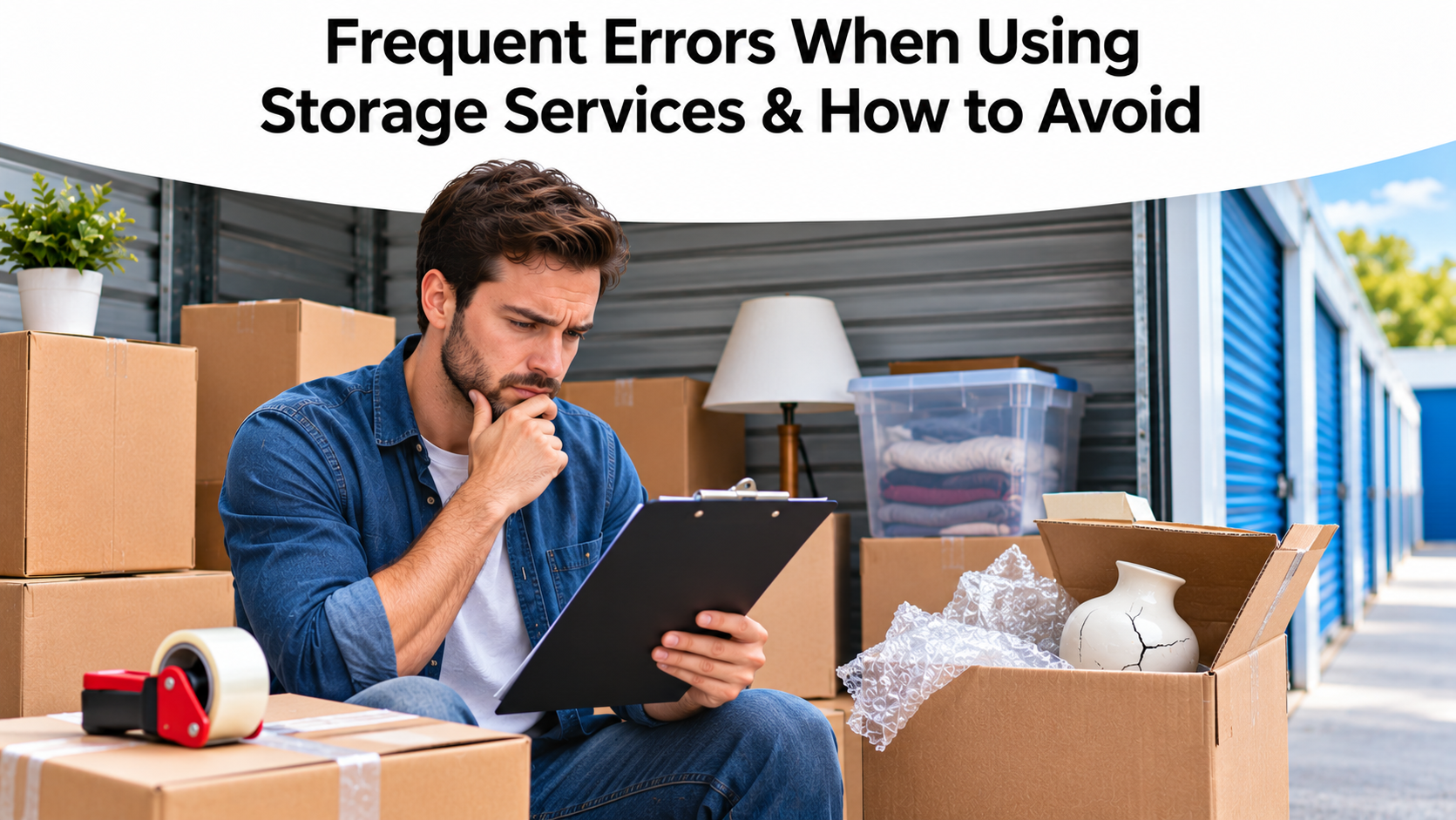
However, many people make avoidable mistakes when renting and using storage services. Choosing an unsuitable unit, using poor packing materials, overlooking security, ignoring rental agreements, and failing to arrange appropriate insurance can create unnecessary expenses and expose belongings to damage or loss. Understanding these common problems before moving in can help you make better storage decisions and protect your possessions.
Pro Tip
Before renting a storage unit, prepare an inventory of everything you intend to store, estimate its total value, and check the facility's security, access arrangements, and rental conditions. Taking these steps before moving your belongings can prevent several common storage problems.
Key Takeaways
- Choosing the wrong storage unit size can increase rental expenses or leave insufficient space for your belongings.
- Poor packing and stacking methods can cause avoidable damage to furniture, electronics, and fragile possessions.
- Failing to maintain an inventory makes it harder to track belongings and establish their value.
- Ignoring facility security, cleanliness, and moisture conditions can increase the risk of property damage.
- Not reviewing rental agreements can result in unexpected fees, access restrictions, and misunderstandings.
- Assuming the storage facility automatically insures your belongings can leave you financially exposed.
- Regular inspections and appropriate storage insurance can help manage risks associated with long-term storage.
1. Choosing the Wrong Storage Unit Size
One of the most frequent mistakes is renting a storage unit without accurately estimating how much space your belongings require. A unit that is too small can make it difficult to organize possessions, access frequently used items, and move belongings safely. Choosing an unnecessarily large unit, on the other hand, means paying for space you may never use.
How to avoid it: Prepare a list of large furniture, appliances, boxes, and other possessions before selecting a unit. Consider their dimensions, stacking requirements, and the space needed for safe access. Compare available unit sizes rather than estimating based solely on the number of boxes you have.
Use this storage unit size guide to understand different storage dimensions and choose a space that accommodates your belongings without unnecessary rental expenses.
2. Using Poor Packing and Storage Methods
Improper packing is another common mistake that can damage belongings during transportation and storage. Weak cardboard boxes, insufficient cushioning, uncovered furniture, and excessive stacking can result in broken items, scratches, crushed packaging, and damaged possessions.
Fragile items such as glassware, mirrors, electronics, and decorative objects require suitable protective materials. Furniture should be cleaned, dried, and covered before storage. Heavy boxes should also be placed underneath lighter ones to reduce the risk of crushing.
How to avoid it: Use strong boxes, protective wrapping, suitable containers, and furniture covers. Label fragile packages clearly and avoid stacking heavy belongings on delicate items. Leave enough space between stored possessions to access them without moving everything.
Read these essential packing tips for storage containers to learn how to prepare and organize belongings more effectively.
3. Failing to Create an Inventory of Stored Belongings
Many renters move belongings into storage without documenting what they have placed inside the unit. This can create problems when searching for particular possessions, checking whether something is missing, or determining the total value of stored property.
An incomplete inventory can also make an insurance claim more difficult. After a theft, fire, or other covered incident, you may need to establish which belongings were stored, who owned them, and their approximate value. Trying to reconstruct everything from memory can be challenging.
How to avoid it: Create a written inventory before moving belongings into storage. Include descriptions, estimated values, brands, and identifying details for expensive items. Take photographs of the loaded unit and keep digital copies of important records outside the facility.
Learn why maintaining an inventory before buying storage insurance is important and how it can help you estimate the coverage required for your possessions.
4. Ignoring Storage Unit Cleanliness and Maintenance
Leaving a storage unit cluttered or failing to inspect it regularly can create problems over time. Dust, moisture, unpleasant odors, rodents, and insects can affect stored belongings, particularly when units remain unopened for several months.
Storing damp furniture, food products, or unclean appliances can also encourage mold growth and attract pests. Placing everything directly on the floor may increase exposure to moisture if water enters the facility.
How to avoid it: Clean and dry belongings before packing them. Avoid storing perishable items, use suitable protective containers, elevate possessions where practical, and inspect the unit periodically for leaks, pests, and unusual odors.
Follow these practical recommendations in our guide to keeping your storage unit clean and organized.
5. Overlooking Storage Facility Security
Choosing a storage facility based only on its location or rental price can mean overlooking important security features. Inadequate lighting, weak access controls, poorly maintained entrances, and insufficient surveillance can increase concerns about unauthorized access and theft.
How to avoid it: Before renting, ask about surveillance cameras, gated access, individual entry codes, staff availability, and security procedures. Use an appropriate high-quality lock and avoid sharing access credentials unnecessarily. Also check how the facility handles incidents and reports of suspicious activity.
6. Not Reviewing the Rental Agreement and Storage Rules
Signing a storage rental agreement without understanding its conditions can lead to unexpected costs and avoidable disputes. Renters may overlook payment deadlines, late fees, access hours, prohibited items, cancellation requirements, and restrictions on how the unit can be used.
Some facilities also have specific requirements concerning locks, insurance documentation, and acceptable stored property. Ignoring these conditions can create problems even when the belongings themselves are suitable for storage.
How to avoid it: Read the entire rental agreement before signing. Confirm the monthly payment, additional charges, payment deadlines, access arrangements, restricted property, and cancellation terms. Ask management to clarify any condition you do not understand and keep a copy of the agreement for reference.
7. Assuming the Storage Facility Automatically Insures Your Belongings
One of the most costly misunderstandings is assuming that the storage facility's insurance protects everything stored inside rented units. Facility owners generally maintain insurance for their buildings, equipment, and business operations. This does not automatically mean customers receive compensation for damaged or stolen personal belongings.
Some renters rely entirely on existing homeowners or renters insurance without checking whether off-premises coverage is available or sufficient. Others choose a storage protection plan without understanding its actual coverage, exclusions, and limits.
How to avoid it: Confirm whether your existing insurance covers property stored away from home. Compare available options and check the covered causes of loss, deductibles, and exclusions. Consider dedicated contents protection when your existing policy does not provide sufficient coverage.
Understanding storage insurance versus renters insurance can help you identify the differences and avoid relying on protection that may not apply to your stored belongings.
8. Choosing Insufficient Insurance Coverage
Even when renters arrange storage insurance, selecting an inadequate coverage limit can create another problem. People sometimes underestimate the total value of their belongings or choose the lowest available coverage amount simply to reduce their monthly expenses.
For example, furniture, electronics, appliances, clothing, and household items may collectively be worth considerably more than expected. If a covered incident results in a substantial loss, a policy limit below the value of eligible property may leave part of the financial loss uninsured.
How to avoid it: Calculate the approximate replacement value of your eligible belongings before choosing coverage. Check individual property limits, exclusions, and deductibles rather than comparing insurance options only by their monthly premiums.
9. Forgetting to Inspect the Unit and Update Stored Belongings
Another common mistake is treating a storage unit as a space that can be forgotten after move-in. Without periodic inspections, renters may not notice roof leaks, pest activity, moisture, damaged packaging, or unauthorized access until the problem becomes more serious.
Your stored contents may also change over time. Adding expensive equipment or removing major belongings without updating your inventory can make your records and coverage estimates inaccurate.
How to avoid it: Schedule periodic visits to inspect your belongings and the condition of the unit. Update your inventory after significant changes and review your insurance arrangements whenever the value or location of stored property changes.
10. Ignoring Insurance Exclusions and Claim Requirements
Purchasing insurance without reading the policy can create false expectations about what happens after an incident. Not every type of damage, item, or storage-related problem qualifies for reimbursement. Policies may contain specific exclusions for rodents, insects, mold, gradual deterioration, flooding, and certain valuable possessions.
Renters may also overlook reporting deadlines, documentation requirements, and procedures for submitting claims. Missing information or failing to follow policy conditions can complicate the review process.
How to avoid it: Read the summary of coverage and full policy documents before purchasing insurance. Understand covered events, restricted property, deductibles, reporting requirements, and the evidence needed to support a claim.
Choose Storage Services Carefully and Protect Your Belongings
Using storage services effectively involves more than renting an available unit and moving belongings inside. Proper planning, suitable packing, accurate inventories, regular inspections, and a clear understanding of rental conditions can help prevent common problems and keep stored possessions in better condition.
It is equally important to understand that a storage facility's security measures do not replace insurance protection. Explore the self-storage insurance options from Discount Storage Insurance to compare available contents coverage, review policy conditions, and find an appropriate level of protection for eligible stored belongings.
Visit Discount Storage Insurance to explore affordable storage insurance options and arrange protection online. Review the applicable coverage terms before purchasing so you know which risks are insured and which require additional preventive measures.
Frequently Asked Questions
What Is the Most Common Mistake When Using Storage Services?
Choosing an unsuitable storage unit size, using poor packing methods, and overlooking insurance coverage are common mistakes. These problems can lead to unnecessary rental expenses, damaged belongings, and unexpected financial losses.
How Can I Prevent Belongings from Getting Damaged in Storage?
Clean and dry belongings before storing them, use appropriate packing materials, cover furniture, and protect fragile possessions with suitable cushioning. Keep items organized, elevated where practical, and inspect the unit periodically for moisture or pest activity.
Should I Create an Inventory Before Using a Storage Unit?
Yes. A written inventory helps you identify stored belongings, estimate their total value, and maintain records for future reference. Photographs, purchase receipts, and serial numbers can provide additional documentation for higher-value items.
Does a Storage Facility's Insurance Cover My Personal Belongings?
Not automatically. A storage facility's property insurance generally protects its own building and business interests rather than providing comprehensive coverage for customers' possessions. Check your rental agreement and arrange appropriate contents protection separately when necessary.
How Often Should I Inspect My Storage Unit?
Inspect your unit periodically, with more frequent visits when storing moisture-sensitive or valuable belongings. Check for leaks, pests, damaged packaging, unusual odors, and changes in the condition of your possessions. Follow any additional inspection recommendations from the facility or your insurer.
What Should I Check Before Signing a Storage Rental Agreement?
Review monthly rent, additional fees, payment deadlines, access hours, security arrangements, prohibited items, insurance requirements, and cancellation conditions. Ask the facility to explain any unclear terms before agreeing to the rental.
Is Storage Insurance Necessary Even in a Secure Facility?
Security systems can reduce certain risks, but they cannot eliminate every possibility of fire, burglary, water damage, or other unexpected events. Storage insurance can provide financial protection against specified covered losses when the stored property and circumstances meet the policy requirements.