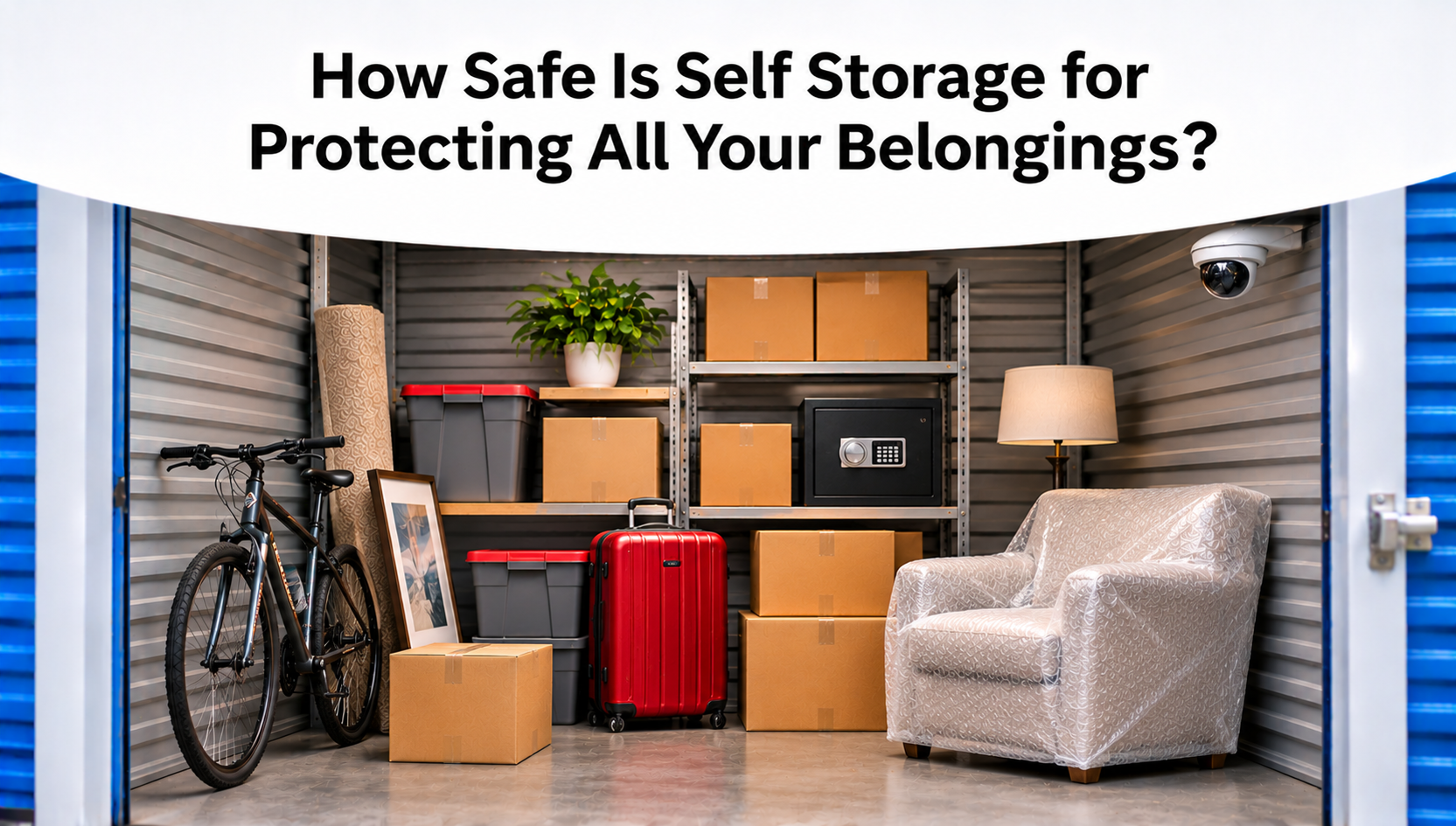
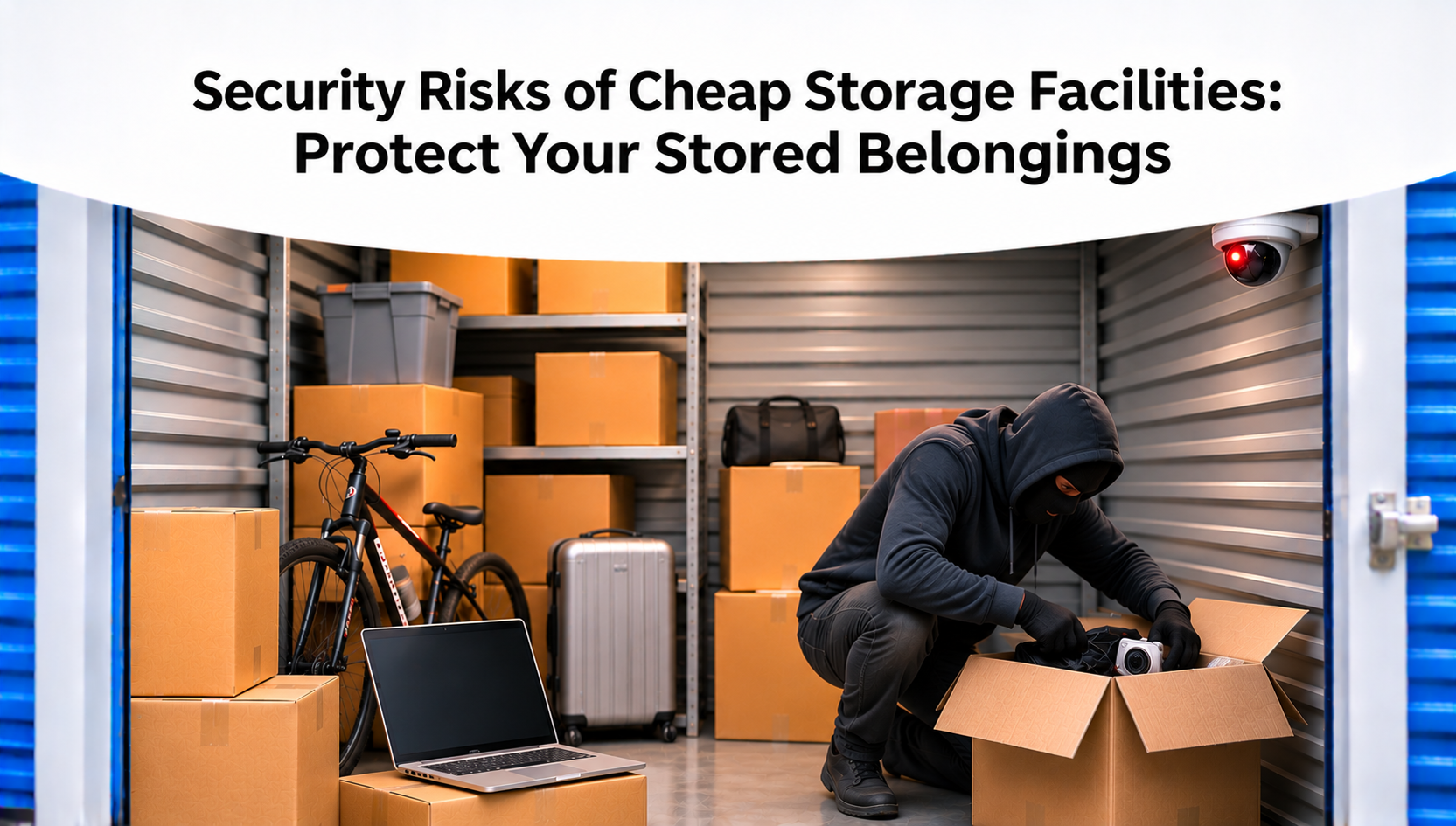
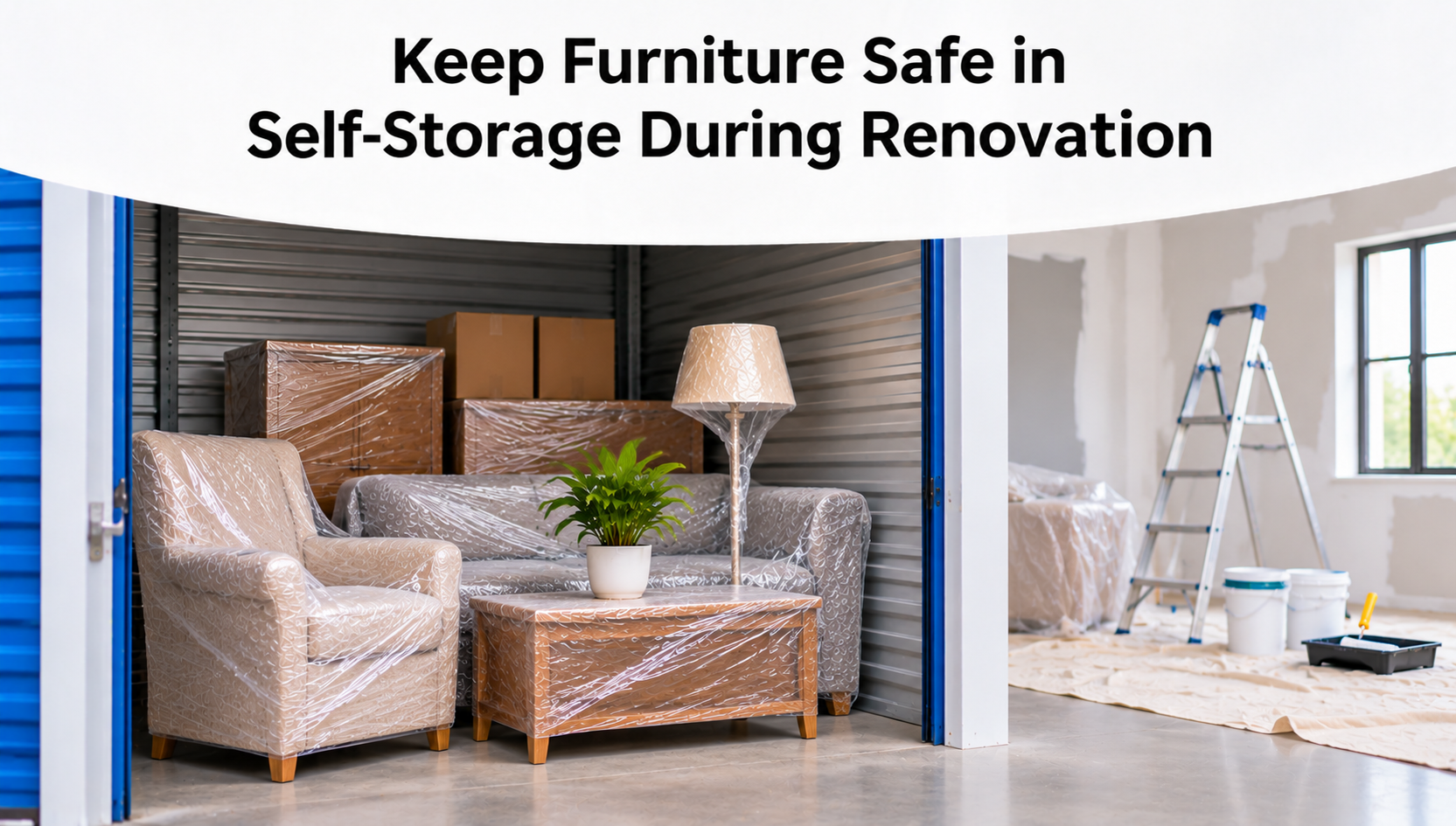
Self-storage provides a practical way to keep furniture, household appliances, electronics, business inventory, and personal possessions outside your home. However, placing belongings inside a rented storage unit does not automatically make them safe. The actual level of protection depends on the facility's security systems, building condition, access controls, environmental management, and the way individual items are packed and stored.
So, how safe is self-storage for protecting all your belongings? A professionally managed facility can provide a controlled environment with security measures that reduce common risks, but no storage location is completely risk-free. Burglary, fire, water damage, vandalism, pests, and environmental deterioration can still affect stored possessions. Understanding these risks and checking the right protection measures before renting a unit can help you make a more informed decision.
Key Takeaways
- Self-storage can provide a secure environment when facilities maintain controlled access, working surveillance systems, suitable lighting, and properly secured individual units.
- Security cameras and gated entrances reduce certain security risks but cannot guarantee that burglary or unauthorised access will never occur.
- Indoor and climate-controlled units can help reduce exposure to outdoor weather and environmental fluctuations, but they do not eliminate fire, leaks, or moisture-related risks.
- Furniture, electronics, clothing, documents, and business inventory require different packing and storage arrangements to prevent avoidable damage.
- Fire safety, building maintenance, drainage, pest management, and emergency procedures are important factors when evaluating a storage facility.
- A storage rental agreement does not automatically mean the facility insures the belongings kept inside individual units.
- Storage unit insurance can provide financial protection against specified covered events, subject to policy limits, deductibles, and exclusions.
- Regular inspections, photographic inventories, appropriate packing materials, and suitable insurance arrangements help strengthen overall storage protection.
Pro Tip
Before renting a storage unit, visit the facility and inspect more than just the individual space. Check whether entry gates close properly, surveillance cameras cover access points, corridors have adequate lighting, and doors show signs of damage or poor maintenance. Ask how frequently the facility checks for water leaks, pest activity, and fire safety issues. Also request a copy of the rental agreement and confirm who is responsible for insuring your stored belongings. These checks provide a much clearer picture of the facility's actual protection standards than promotional claims alone.
How Safe Is Self Storage for Your Personal Belongings?
Self-storage can be a safe option for keeping personal and business possessions when the facility has appropriate security, maintenance, and operational procedures. Professional storage operators typically use a combination of physical barriers, electronic access controls, surveillance equipment, individual locks, and building management practices to protect their premises.
However, the safety of your belongings depends on more than whether the building has a security gate or CCTV cameras. A facility may have modern access systems but still experience problems involving damaged doors, inadequate maintenance, water leaks, or poor handling of security incidents. Evaluating the complete storage environment is therefore essential.
Your own storage practices also influence the level of protection. Leaving expensive equipment visible, using weak locks, placing fragile items underneath heavy boxes, or storing damp belongings can create avoidable problems even inside a professionally managed facility.
What Makes a Self-Storage Facility Safe?
A safe storage facility combines physical security with building maintenance, environmental management, and clear procedures for handling incidents. No single security feature is sufficient on its own. A combination of independently useful measures provides stronger protection for the belongings kept inside individual units.
1. Controlled Access to the Storage Facility
Controlled access helps prevent unauthorised individuals from entering storage areas. Facilities may use electronic keypads, individual access codes, entry cards, electronic gates, or identity verification procedures to manage who can enter the premises.
During your visit, check whether customers must use individual access credentials and whether the system prevents former customers from entering after their rental agreements end. Ask how lost access cards, shared entry codes, and unauthorised entry attempts are handled.
A keypad at the main entrance is useful, but it does not automatically mean every internal storage area has restricted access. Find out whether the facility separates customer areas, employee-only spaces, loading zones, and individual storage sections.
2. CCTV Surveillance and Security Monitoring
Security cameras can help monitor entrances, corridors, loading areas, vehicle access points, and other shared sections of a storage facility. Recorded footage may also assist facility management and law enforcement when investigating suspicious activity or a reported break-in.
Do not assume that advertising CCTV means every part of the premises is continuously monitored. Ask where cameras are positioned, whether footage is recorded, how long recordings are retained, and who reviews security alerts.
Also check whether cameras cover loading areas and corridors rather than relying exclusively on footage of the main entrance. These shared spaces can be important when investigating how property entered or left the facility.
3. Strong Individual Unit Doors and Locks
The security of an individual storage unit also depends on its door, locking mechanism, hinges, and surrounding structure. Even when the facility entrance is controlled, a weak unit door or damaged locking point can create an opportunity for unauthorised access.
Inspect the door before signing the rental agreement. Look for bent metal, damaged hasps, loose fittings, gaps, or signs that the locking mechanism has previously been forced. Ask the operator which lock types are permitted and whether the facility recommends a particular security standard.
Use a high-quality lock compatible with the unit and keep spare keys in a secure location. Never leave keys inside the unit or share access details with people who do not need them.
4. Adequate Lighting Across Common Areas
Well-lit entrances, corridors, parking spaces, stairways, and loading areas make it easier to identify suspicious activity and move belongings safely. Poor lighting can make it difficult to notice damaged doors, unauthorised visitors, or obstacles while transporting heavy furniture and equipment.
Visit the facility during the evening if possible and inspect whether lighting is consistent across customer-accessible areas. Ask whether exterior lights and internal security lighting are maintained regularly and whether any sections remain poorly illuminated after operating hours.
5. Regular Building Maintenance and Inspections
Security equipment alone cannot protect belongings if the building itself is poorly maintained. Roof leaks, damaged drainage systems, faulty electrical installations, broken doors, and pest activity can create risks for several storage units at the same time.
Ask how often the facility conducts building inspections and whether maintenance problems are documented and resolved promptly. Look for visible water stains, musty smells, damaged ceilings, standing water, and signs of rodent or insect activity during your visit.
A well-maintained facility should have clear procedures for reporting problems and communicating with customers when an incident affects their storage area.
What Are the Main Safety Risks of Self-Storage?
Even a professionally managed storage facility cannot eliminate every potential threat to stored property. Understanding the most common risks helps you identify which precautions matter for your particular belongings and what questions to ask before selecting a unit.
| Storage Risk |
Potential Impact |
Practical Prevention |
| Burglary and unauthorised access |
Missing electronics, tools, furniture, and other valuable possessions. |
Choose controlled-access facilities, use suitable locks, and maintain an inventory. |
| Fire and smoke |
Burning, heat exposure, soot contamination, and smoke damage. |
Check fire safety arrangements and follow prohibited-item rules. |
| Water leaks and flooding |
Damage to cardboard boxes, fabrics, wooden furniture, and electrical equipment. |
Inspect roofs and drainage, use suitable containers, and avoid direct floor contact. |
| Mold and excessive humidity |
Musty odours, fabric deterioration, staining, and damage to moisture-sensitive possessions. |
Select appropriate environmental controls and store only dry belongings. |
| Rodents and insects |
Chewed packaging, contaminated belongings, and damage to fabrics or furniture. |
Check pest management procedures and use sealed, suitable containers. |
| Improper stacking and handling |
Broken fragile items, crushed boxes, and damaged furniture. |
Use stable stacking arrangements and distribute weight appropriately. |
How to Protect Your Belongings From Storage Unit Burglary
Burglary is one of the most important risks to evaluate when choosing a self-storage facility. A forced unit door, compromised lock, or unauthorised entry can result in the loss of expensive possessions that may have taken years to accumulate.
Start by checking the facility's perimeter security and individual unit arrangements. Ask whether entry activity is logged, whether suspicious access attempts are monitored, and how management responds when a customer reports a damaged lock or door.
Use a Suitable High-Security Lock
Select a lock designed for the type of storage door you are renting. A disc lock or another compatible security lock may offer useful resistance against common forced-entry methods. However, the best option depends on the facility's locking hardware and permitted lock types.
Check the locking mechanism regularly for scratches, loose fittings, or signs of tampering. If you notice damage, report it immediately instead of assuming that the unit remains secure.
Keep Valuable Belongings Out of Sight
Avoid leaving expensive electronics, branded equipment, or other high-value items directly visible when the storage unit is open. Use suitable opaque containers and organise the unit so that valuable possessions are not immediately identifiable from the corridor.
Do not share access codes, rental information, or photographs revealing the location and contents of your storage unit publicly. Limit access to people who genuinely need it.
Inspect the Unit During Regular Visits
Visit the facility periodically, particularly when you store expensive equipment or business inventory. Check the lock, door, surrounding area, and condition of your belongings. Unexpected changes, disturbed boxes, or signs of forced entry should be reported promptly.
If belongings are missing, avoid disturbing potential evidence unnecessarily. Photograph the condition of the unit, notify facility management, and report the incident through the appropriate channels.
For further guidance, read how storage unit insurance handles theft and burglary, including the evidence and policy conditions that can affect a claim after a break-in.
Is Indoor Self-Storage Safer Than Outdoor Storage?
Indoor and outdoor storage facilities provide different levels of exposure to environmental conditions and security risks. Indoor units are located within a building, while outdoor units typically provide direct vehicle access and may be more exposed to outdoor weather conditions.
An indoor facility may offer additional protection against direct rainfall, wind, and sunlight. It can also provide controlled entry to internal corridors. However, an indoor location is not automatically safer in every situation. Poor ventilation, electrical problems, internal water leaks, and inadequate surveillance can still affect stored possessions.
Outdoor units can be suitable for certain durable possessions when the facility maintains secure access, sound construction, and appropriate drainage. The right choice depends on what you intend to store and how sensitive those belongings are to environmental exposure.
When Should You Choose Indoor Storage?
Indoor storage may be preferable for household furniture, electronics, clothing, documents, and possessions that should not be exposed directly to outdoor weather. Internal access corridors can also make it easier to move belongings without exposing them to rain or strong sunlight during loading and unloading.
However, inspect the building's maintenance standards and ventilation arrangements. An indoor unit with poor environmental management may still create problems for moisture-sensitive belongings.
Our guide to insurance considerations for indoor storage units explains why enclosed facilities still require appropriate protection for stored contents.
When Is Outdoor Storage Suitable?
Outdoor storage may be suitable for belongings that are less sensitive to environmental changes and are packed appropriately. It can also be convenient when frequent vehicle access is important or when large items need to be loaded directly from a parking area.
Before renting an outdoor unit, inspect the roof, walls, door seals, drainage, ground conditions, and surrounding security. Avoid storing valuable electronics, delicate fabrics, or other moisture-sensitive items unless the unit provides suitable protection for those specific belongings.
Does Climate-Controlled Storage Keep Your Belongings Safe?
Climate-controlled storage can help protect sensitive possessions from significant temperature and humidity fluctuations. This is particularly important for wooden furniture, musical instruments, artwork, electronics, leather products, paper documents, and certain textiles.
Excessive humidity can contribute to mold growth, corrosion, unpleasant odours, and material deterioration. Significant temperature changes can also affect adhesives, finishes, electronic components, and certain materials used in household possessions.
However, climate control should not be confused with complete protection. It does not automatically prevent water leaks, fire, theft, pests, or building maintenance failures. Ask whether the facility actively monitors its environmental systems and how it responds when equipment stops working.
Which Belongings Benefit From Climate Control?
- Wooden furniture that may expand, contract, or develop finish damage due to environmental fluctuations.
- Electronic equipment that should be kept away from excessive moisture and unsuitable temperatures.
- Leather sofas, clothing, and other materials that may deteriorate under unsuitable humidity conditions.
- Paper records, photographs, books, and documents that can be affected by moisture and heat.
- Musical instruments and delicate decorative items that require more stable environmental conditions.
The appropriate environmental conditions depend on the material, condition, and storage duration. For valuable or particularly sensitive possessions, ask a specialist about the conditions required before choosing a facility.
How Safe Is Self-Storage From Fire and Smoke Damage?
Fire is one of the most serious risks for a self-storage facility because an incident can affect multiple units and large quantities of personal property. Furniture, cardboard packaging, clothing, wooden items, and other combustible materials can contribute to the spread of a fire if prohibited materials or unsafe storage practices are involved.
Smoke can also travel beyond the unit where a fire begins. Even if flames do not directly reach your storage space, soot, heat, and smoke residue may damage clothing, upholstery, electronics, boxes, and household possessions.
Check the Facility's Fire Safety Arrangements
Ask whether the building has suitable fire detection systems, alarms, emergency exits, and fire suppression equipment appropriate for its design and local requirements. Find out how often these systems are inspected and whether staff receive training on emergency procedures.
Avoid facilities where emergency exits are blocked, electrical fittings appear damaged, or storage areas contain obvious fire hazards. Follow all restrictions concerning flammable liquids, fuels, gas cylinders, fireworks, and other prohibited materials.
Understand the Financial Protection Available After a Fire
Fire and smoke damage can result in substantial replacement costs, particularly when an entire storage unit contains household furniture, electronics, and personal possessions. Security and fire prevention measures reduce certain risks, but they cannot guarantee that an incident will never occur.
Check whether your storage insurance policy includes fire and smoke as covered causes of loss and understand the applicable limits, deductibles, and exclusions. Read how storage insurance covers fire and smoke damage to understand the potential effects on stored property and the documentation needed after an incident.
Can Water Damage Make Self-Storage Unsafe?
Water damage can affect stored belongings even when there is no major flooding. Roof leaks, damaged plumbing, poor drainage, condensation, and water entering through gaps around doors can expose possessions to moisture over time.
Cardboard boxes may weaken, furniture can develop stains or swelling, and electronic equipment may become unusable after exposure to water. Fabrics, mattresses, books, and paper records can also deteriorate if moisture remains trapped inside packaging.
Inspect for Leaks Before Renting a Unit
Check the ceiling, walls, floor, door seals, and nearby drainage areas for signs of water entry. Look for damp patches, discolouration, peeling paint, rust, standing water, and musty odours. These signs may indicate an existing moisture problem that should be addressed before placing your belongings inside the unit.
Ask facility management whether roof inspections and plumbing maintenance are performed regularly. If the unit has previously experienced water damage, request clarification about the cause and whether the issue has been properly repaired.
Keep Boxes and Furniture Away From Direct Floor Contact
Use suitable shelving, pallets, or raised platforms where permitted to reduce direct contact between belongings and the storage floor. This can provide an additional precaution against minor water accumulation and damp surfaces.
Do not assume raised placement makes a unit flood-proof. Significant water intrusion can still damage belongings, and elevated platforms should be stable enough to support the stored weight safely.
How to Prevent Pest Damage Inside a Storage Unit
Rodents and insects can damage possessions during extended storage, particularly when units contain food residues, unsealed packaging, fabrics, paper materials, or poorly maintained furniture. Pest activity may remain unnoticed for weeks if customers rarely visit their storage units.
Before renting, ask how the facility monitors pest activity, whether professional pest-control inspections are performed, and how infestations are handled when discovered. Check for droppings, damaged packaging, insect remains, and visible gaps around walls or doors.
Prepare Belongings Correctly
- Remove food, crumbs, and liquid residues from appliances and household containers before storage.
- Use suitable sealed containers for clothing, bedding, and smaller household possessions.
- Clean furniture and upholstery before placing them inside the unit.
- Avoid storing food, perishable materials, or other items prohibited by the facility.
- Inspect packaging periodically for signs of chewing, contamination, or insect activity.
Do not assume insurance will reimburse losses caused by pests. Rodent and insect damage is commonly restricted or excluded under storage insurance policies. Preventive maintenance and appropriate packing remain important even when you have financial protection for other covered risks.
How to Store Different Belongings Safely
Different belongings require different storage methods. A television should not be packed in the same way as clothing, while wooden furniture needs different protection from paper documents or kitchen appliances. Using suitable containers and arranging possessions according to their materials can reduce preventable damage.
Furniture and Mattresses
Clean furniture before storage and allow it to dry completely. Use breathable furniture covers rather than tightly sealing every surface in plastic for extended periods. Protect corners, legs, glass panels, and exposed edges with suitable padding.
Store mattresses according to their manufacturer's recommendations and avoid placing heavy furniture on top of them. Keep wooden furniture away from damp surfaces and avoid stacking objects in a way that places excessive pressure on delicate joints or decorative components.
Electronics and Electrical Equipment
Pack televisions, computers, monitors, gaming systems, and other electronic devices in their original packaging where available. Otherwise, use suitable protective boxes and cushioning to prevent movement during transportation and storage.
Disconnect equipment properly, organise cables and accessories, and avoid placing electronic devices directly against damp floors or walls. Record serial numbers and photograph each item before packing. Check the manufacturer's storage instructions for devices with batteries or sensitive components.
Clothing, Bedding, and Fabrics
Wash and completely dry clothing, curtains, bedding, and other fabrics before packing. Use clean storage containers or suitable garment covers and avoid placing textiles inside boxes while they are still damp.
Keep fabric containers away from areas with visible moisture and inspect them periodically. Long-term exposure to unsuitable humidity can lead to unpleasant odours, staining, and material deterioration.
Documents, Photographs, and Books
Important documents, family photographs, certificates, and books can be particularly vulnerable to moisture, heat, and unsuitable packaging. Use appropriate archival-quality materials for valuable paper collections and avoid placing documents directly on the floor.
Keep digital copies of important records separately. Original passports, legal documents, financial records, and other essential paperwork are generally better kept in a secure location that remains readily accessible rather than placed in ordinary self-storage.
Business Inventory and Equipment
Businesses often use self-storage to hold spare equipment, packaging, retail stock, promotional materials, and operational supplies. These belongings should be organised by category and recorded in an inventory that includes quantities, product descriptions, and purchase values.
Keep valuable equipment secured and avoid storing business-critical stock in a location where a single incident could interrupt operations. Confirm whether the insurance policy covers business property and whether stock, equipment, or commercial inventory has separate eligibility requirements or limits.
Does Self-Storage Insurance Make Your Belongings Safer?
Physical security and insurance serve different purposes. Facility security measures help reduce the likelihood of certain incidents, while insurance provides financial protection when an eligible loss occurs under the applicable policy. Having one does not replace the need to consider the other.
For example, surveillance cameras may help deter burglary, but they cannot guarantee that a break-in will not happen. Fire safety systems can help detect or control an emergency, but they cannot eliminate every possibility of fire or smoke damage. Suitable insurance can help with the financial consequences of specified covered incidents, subject to its terms and conditions.
What Risks Can Storage Unit Insurance Cover?
Depending on the selected coverage and applicable policy wording, storage unit insurance may protect eligible belongings against events such as:
- Burglary involving qualifying forced entry or other covered circumstances.
- Fire and smoke damage affecting stored possessions.
- Vandalism and qualifying malicious damage.
- Certain types of accidental water damage.
- Lightning, hail, and other specified weather-related events.
- Damage caused by certain falling objects, vehicles, or aircraft.
The actual protection depends on the policy, insured location, eligible property, selected limit, deductible, and any applicable exclusions. Never interpret a list of covered events as a guarantee that every incident involving that type of damage will qualify.
Why Insurance Is Important Even in Secure Facilities
A storage facility's security systems and maintenance procedures cannot eliminate every risk. Unexpected events can still result in the destruction, theft, or damage of possessions, leaving customers responsible for replacing their belongings if they do not have suitable financial protection.
Storage rental agreements generally distinguish between the facility's responsibility for providing the rented space and the customer's responsibility for personal property. Do not assume that the storage company will reimburse you for every loss simply because the incident happened inside its building.
Our guide explaining whether you can rent a self-storage unit without insurance explains why storage rental requirements and protection for individual customers' belongings should be considered separately.
How to Choose Insurance for Belongings Kept in Self-Storage
Choosing suitable storage insurance starts with calculating the value of your possessions and identifying the risks you want to protect against. A small unit containing seasonal clothing may have different requirements from a larger unit holding furniture, computers, appliances, and business equipment.
Calculate the Total Value of Your Stored Belongings
Prepare an itemised list of everything inside the unit. Include large possessions such as sofas, beds, tables, televisions, refrigerators, and computers, along with smaller items such as kitchen equipment, clothing, books, and household accessories.
Estimate the replacement value using current prices rather than relying only on original purchase costs. Consider any special category limits or valuation rules that may apply to expensive items.
Review Covered Events and Exclusions
Read the policy carefully to identify the events that can trigger a claim and the situations that are excluded. Pay particular attention to burglary, fire, smoke, water damage, vandalism, weather-related losses, and restrictions involving particular types of property.
Also review exclusions relating to flooding, gradual deterioration, pests, mold, improper packing, and prohibited items. A policy may cover several major risks while excluding other types of damage that are relevant to your storage arrangements.
Compare Coverage Limits and Deductibles
Your selected coverage amount should reflect the value of eligible possessions kept inside the unit. A limit that is too low may leave a significant financial shortfall after a major incident, while special limits can restrict reimbursement for particular categories of belongings.
Compare the deductible as well. This is the amount you are responsible for paying before an eligible claim contributes towards the loss. Consider both figures alongside the monthly premium instead of selecting a policy based on price alone.
Check Whether Your Existing Home or Renters Insurance Is Sufficient
Some homeowners and renters insurance policies provide off-premises protection for eligible personal property. However, stored belongings may have separate limits, deductibles, and exclusions that differ from those applying inside your residence.
Ask your insurer whether your policy specifically covers belongings kept in a commercial storage facility. Compare the available protection with the actual value of your possessions before deciding whether separate storage insurance is necessary.
Why Choose Discount Storage Insurance for Stored Belongings?
Selecting a secure storage facility is important, but customers also need to consider what happens financially if an unexpected covered incident affects their possessions. Discount Storage Insurance provides dedicated storage contents insurance options for qualifying belongings kept inside self-storage units.
The program is designed for customers who want insurance specifically for stored property without needing an existing homeowners, renters, or commercial insurance policy. Available coverage options allow customers to select a suitable protection amount based on their storage requirements and the value of eligible belongings.
Flexible Coverage Options for Storage Contents
Discount Storage Insurance offers coverage options for eligible stored contents, with limits available up to $10,000 per unit under the advertised program. Customers can review available options and select an amount that reflects the value of their stored possessions, subject to the policy terms and eligibility conditions.
Online Policy Purchase and Management
The online process allows customers to provide their storage details, choose an available coverage option, and complete the purchase digitally. Confirmation of coverage is emailed after the purchase process is completed, making it easier to maintain insurance documentation for the storage rental.
24/7 Claims Assistance
The program provides access to 24/7 claims assistance through the customer dashboard. If a covered incident occurs, customers can access the claims service and follow the relevant reporting instructions. All claims remain subject to the policy's conditions, exclusions, and assessment process.
Explore our self-storage unit insurance coverage to review the available protection options, covered causes of loss, and policy information before choosing insurance for your stored belongings.
Self-Storage Safety Inspection Checklist
Before committing to a storage rental, use this inspection checklist to assess whether the facility and individual unit are suitable for your belongings.
- Check whether the main entrance uses controlled access and individual customer credentials.
- Inspect CCTV coverage around entrances, corridors, loading areas, and shared access points.
- Examine the storage door, hinges, locking points, and surrounding structure for damage.
- Check lighting across corridors, parking areas, and external access routes.
- Look for water stains, roof leaks, standing water, and signs of poor drainage.
- Ask about fire alarms, emergency exits, fire suppression systems, and inspection procedures.
- Check whether pest management and building maintenance are performed regularly.
- Ask about temperature and humidity monitoring if storing sensitive belongings.
- Review the rental agreement and confirm the facility's responsibility for customer belongings.
- Confirm the insurance requirements and arrange suitable contents protection.
- Photograph stored possessions and maintain an itemised inventory outside the unit.
- Schedule periodic visits to inspect the condition of the unit and its contents.
Conclusion: Is Self-Storage Safe for Protecting Your Belongings?
Self-storage can provide a suitable environment for protecting furniture, electronics, household possessions, and business inventory when the facility maintains effective security, proper building conditions, and appropriate access controls. However, safety depends on more than the presence of CCTV cameras or a locked entrance. Fire protection, water management, pest control, environmental conditions, and individual storage practices all influence how well your belongings are protected.
Before renting a unit, inspect the facility, evaluate its security procedures, and choose storage conditions suitable for the possessions you intend to keep there. Pack belongings correctly, maintain an inventory, and arrange suitable insurance against eligible unexpected losses. These measures work together to reduce avoidable risks and provide a more complete approach to storage protection.
Discount Storage Insurance provides dedicated insurance options for eligible belongings kept inside self-storage units, with flexible coverage limits and an online purchasing process. Review the available plans and policy conditions to choose appropriate financial protection for the possessions you intend to store.
Frequently Asked Questions
How Safe Is Self-Storage for Valuable Belongings?
Self-storage can be suitable for valuable belongings when the facility has controlled access, effective surveillance, secure individual units, and well-maintained buildings. However, no facility eliminates every risk. Valuable possessions should be documented, packed appropriately, and covered by insurance that specifically accepts the items and their declared values.
Can Someone Break Into a Self-Storage Unit?
Yes. Although storage facilities use security gates, surveillance cameras, access codes, and individual locks, burglary remains a possible risk. Choose a facility with properly maintained doors, suitable access controls, and clear incident-reporting procedures. Use a compatible high-quality lock and avoid sharing your access credentials.
Are Indoor Storage Units Safer Than Outdoor Units?
Indoor units can offer additional protection against direct weather exposure and may provide controlled access through internal corridors. Outdoor units can be convenient for vehicle access but may require more attention to weatherproofing and drainage. The facility's security, construction, maintenance, and environmental conditions matter more than the indoor or outdoor label alone.
Does CCTV Make a Storage Facility Completely Secure?
No. CCTV can deter certain types of unauthorised activity and provide useful evidence when an incident occurs, but it cannot guarantee that theft or damage will never happen. Check camera placement, recording arrangements, footage retention, and how facility management responds to security alerts.
Is Climate-Controlled Storage Necessary for All Belongings?
Not every possession requires climate control. However, wooden furniture, electronics, leather, textiles, artwork, books, and paper documents may benefit from more stable temperature and humidity conditions. The decision should depend on the materials, condition, value, and expected storage duration.
Can Belongings Get Damaged by Moisture Inside a Storage Unit?
Yes. Roof leaks, plumbing problems, condensation, poor drainage, and humidity can expose stored possessions to moisture. Inspect the unit before renting, use suitable containers, avoid storing damp belongings, and keep possessions away from direct floor contact where practical.
Does the Storage Facility Pay if My Belongings Are Stolen?
Not automatically. The storage rental agreement usually defines the facility's responsibilities and may limit its liability for customer possessions. Whether the operator is legally responsible depends on the agreement, circumstances, and applicable law. Customers should arrange suitable contents insurance rather than assuming the facility will reimburse stolen belongings.
Does Storage Unit Insurance Cover Fire, Theft, and Water Damage?
Storage unit insurance may cover eligible belongings against specified events such as burglary, fire, smoke, vandalism, and certain types of water damage. The exact protection depends on the selected policy, applicable exclusions, coverage limits, deductibles, and the circumstances of the loss.
Do I Need Insurance if I Rent a Secure Storage Unit?
A secure storage facility reduces certain physical risks but does not guarantee protection against unexpected incidents. Insurance provides a separate form of financial protection for eligible losses. Some facilities also require customers to maintain qualifying coverage under their rental agreements.
How Often Should I Inspect My Storage Unit?
Inspect your unit periodically, with more frequent visits when storing valuable possessions, moisture-sensitive items, or business inventory. Check the lock, door, packaging, and visible condition of stored belongings. Also review the unit after severe weather or when the facility reports a maintenance or security incident affecting your storage area.
Can I Store Electronics and Furniture Together in One Unit?
Yes, provided the unit has sufficient space and both categories are packed and positioned appropriately. Keep electronic equipment in protective packaging, protect furniture surfaces, and avoid placing heavy objects on fragile items. Choose suitable environmental conditions for the most sensitive belongings and maintain clear access for inspection.
What Is the Best Way to Protect All My Belongings in Self-Storage?
Choose a well-maintained facility with controlled access, suitable surveillance, and appropriate environmental conditions. Use secure locks, pack belongings according to their materials, keep an updated inventory, inspect the unit periodically, and arrange insurance that covers eligible possessions against specified risks. Combining these measures provides a more complete approach than relying on facility security alone.