Moving to a new home takes time, planning, and careful organisation. From packing boxes and hiring movers to arranging storage and updating your address, there are many tasks to complete before moving day. Without a clear plan, it is easy to forget important details or leave everything until the last minute.
A moving checklist helps you organise each step and keep your move on schedule. It also helps you protect your belongings while they are being packed, transported, and stored. Whether you are moving across town or to another state, following a timeline can make the process easier to manage.
This guide covers what to do before, during, and after moving day. It also explains how to prepare a storage unit, review insurance options, and keep eligible belongings protected when your move involves temporary storage.
Why Do You Need a Moving Checklist?
A moving checklist gives you a clear plan for completing tasks in the right order. Instead of trying to remember everything, you can divide the work into smaller steps and track your progress.
A well-planned move can help you:
- Keep packing and moving tasks organised.
- Avoid last-minute expenses and unexpected delays.
- Arrange moving services and storage in advance.
- Keep track of important documents and personal belongings.
- Prepare your belongings for transportation and storage.
- Review insurance arrangements before your belongings leave your home.
- Settle into your new home with fewer problems.
The earlier you start planning, the more time you have to deal with unexpected issues. For a large household or a move involving storage, starting around eight weeks before moving day is a practical approach.
Your Moving Checklist: A Timeline to Follow
Use the timeline below to organise your move. You can adjust it based on your moving date, property size, and the number of belongings you need to transport.
| When to Start |
Main Tasks |
| 8 Weeks Before |
Set your budget, declutter, research movers, and decide whether you need storage. |
| 4 Weeks Before |
Create an inventory, confirm moving arrangements, and review insurance requirements. |
| 2 Weeks Before |
Start packing, update your address, and organise essential documents. |
| 1 Week Before |
Finish most packing, confirm bookings, and prepare your moving-day essentials. |
| Moving Day |
Check your belongings, supervise loading, and inspect the property and storage space. |
| After Moving |
Inspect delivered belongings, unpack, update storage details, and keep records. |
What Should You Do 8 Weeks Before Moving Day?
1. Set a Moving Budget
Start by estimating how much your move will cost. Your budget should include moving company fees, packing supplies, transportation, storage fees, cleaning costs, and other expenses.
Remember to leave some extra money for unexpected costs. For example, you may need additional packing materials, a larger moving vehicle, or temporary storage if your new home is not ready on time.
2. Sort and Declutter Your Belongings
Moving is a good opportunity to decide what you actually need. Go through each room and separate your belongings into items you want to keep, donate, sell, recycle, or throw away.
Reducing the number of items you move can save time, packing materials, and transportation costs. It can also help you choose a smaller storage unit if temporary storage is necessary.
3. Decide Whether You Need Temporary Storage
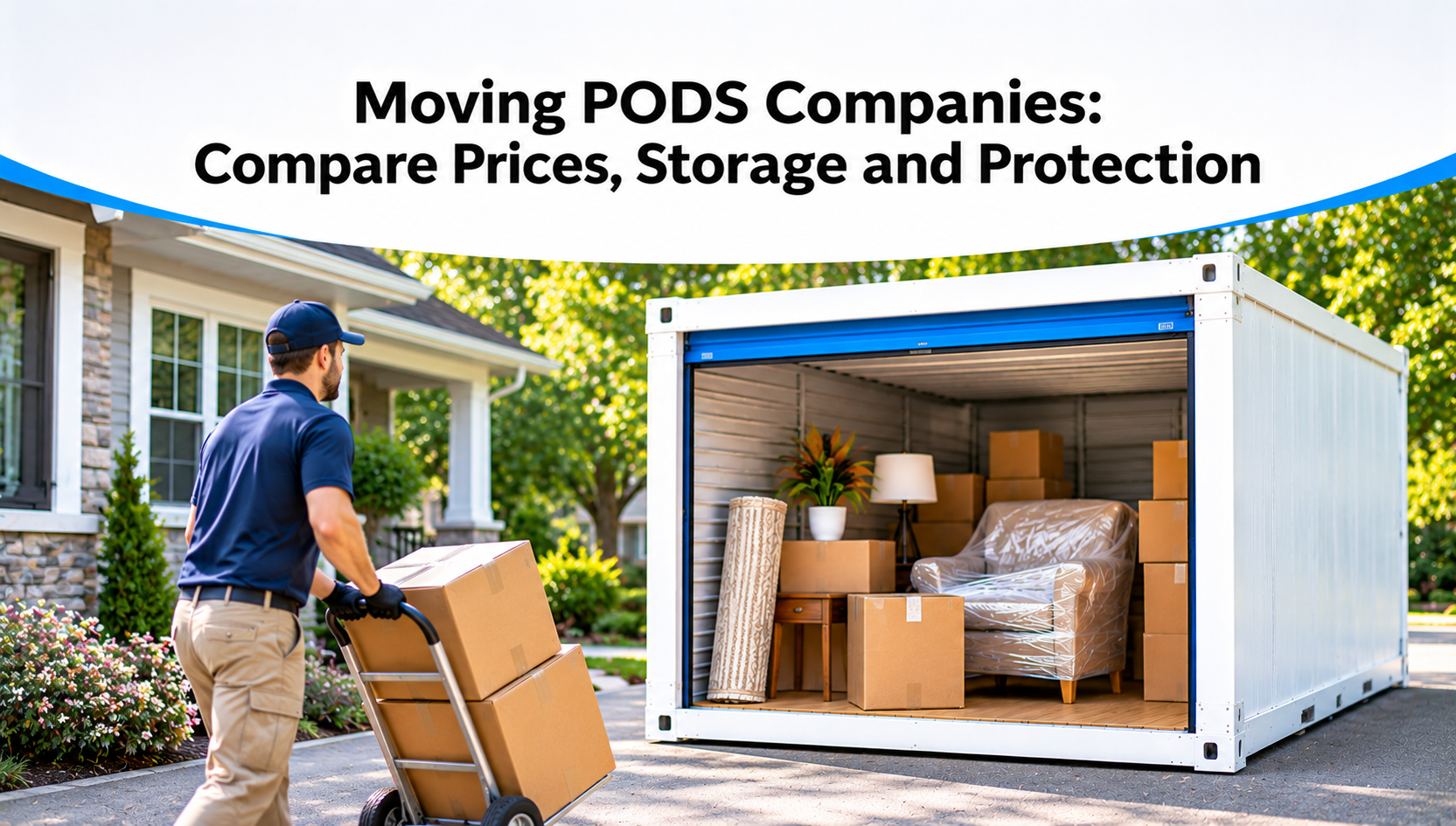
You may need storage if your new home is not ready, you are downsizing, or you want to move your belongings in stages. Storage can also help when you are renovating or waiting for a long-distance move to be completed.
Compare storage facilities and mobile storage services based on unit size, access, security, location, and cost. Check whether the facility has insurance requirements before booking. If you are using a portable container, review the available mobile storage insurance information and confirm what protection may apply to your situation.
4. Research and Compare Moving Companies
If you plan to hire professional movers, compare several companies before making a decision. Review their services, estimates, customer feedback, and terms. Ask whether packing, loading, unloading, and transportation are included in the quoted price.
You should also ask what protection the moving company provides if an item is lost or damaged. Do not assume that basic moving-company liability is the same as an insurance policy.
What Should You Do 4 Weeks Before Moving Day?
1. Create a Detailed Inventory of Your Belongings
Make a list of the belongings you plan to move or place in storage. Include furniture, electronics, appliances, household items, and other valuable possessions.
Record useful details such as the item's description, quantity, estimated value, and condition. Take photographs of valuable belongings before packing them. This record can help you organise your move and provide useful documentation if you need to report a loss or damage.
2. Review Your Insurance Arrangements
Your existing homeowners or renters insurance may provide some protection for belongings away from your home, but coverage can depend on your policy, limits, exclusions, and circumstances. Check directly with your insurer rather than assuming your belongings are automatically covered during every stage of the move.
If you are using a storage unit, ask whether separate storage insurance is required or recommended. Confirm which belongings are eligible, what risks are covered, and whether any limits or exclusions apply.
You should also understand the difference between protection while belongings are being transported and protection while they are stored. These may be subject to different terms. Read more about insurance protection for belongings during a move before deciding what coverage you need.
3. Check Storage Facility Insurance Requirements
Some storage facilities ask customers to provide proof of insurance before moving belongings into a unit. Contact your facility to understand its requirements, accepted documents, and minimum coverage limits, if applicable.
Arrange any required coverage early so that you have enough time to review the terms and provide the correct documents. For more information, see this guide on obtaining proof of insurance before storage move-in.
4. Update Your Address and Important Records
Make a list of the organisations that need your new address. This may include your bank, employer, insurance provider, utility companies, subscriptions, and government agencies.
You can also arrange mail forwarding through the United States Postal Service. Updating your address early helps prevent important letters and documents from being sent to your old home.
What Should You Do 2 Weeks Before Moving Day?
1. Start Packing Non-Essential Items
Start with items you do not use every day, such as seasonal clothing, spare bedding, decorations, books, and extra kitchenware. Leave everyday essentials until closer to moving day.
Use strong boxes and suitable packing materials. Wrap fragile belongings separately and avoid making boxes too heavy to lift safely.
2. Label Every Box Clearly
Write the destination room and a short description of the contents on each box. Mark fragile items clearly so that anyone handling them knows to take extra care.
If some boxes are going directly into storage, label them separately. This will make it easier to find specific belongings later without opening every box.
3. Prepare Important Documents
Keep important documents in one secure folder that travels with you. This may include identification, moving contracts, storage agreements, insurance documents, medical records, and property paperwork.
Avoid placing important paperwork, cash, jewellery, or irreplaceable personal items in a moving truck or storage container unless you have checked the relevant arrangements and policy terms.
4. Confirm All Bookings and Arrangements
Contact your moving company, storage facility, and any other service providers to confirm the dates and times. Check access instructions, payment details, parking arrangements, and any restrictions on the items you can store.
If your belongings will be placed in a mobile storage container, confirm when the container will be delivered, collected, and transported. Also check how insurance arrangements apply while the container is in transit.
What Should You Do 1 Week Before Moving Day?
1. Finish Most of Your Packing
Try to complete most of your packing before moving day. Keep only the items you need for the final few days unpacked, such as toiletries, basic kitchen supplies, clothing, and cleaning products.
2. Prepare a Moving-Day Essentials Box
Pack a separate box or bag with items you will need immediately. This should stay with you rather than being loaded with the rest of your belongings.
- Phone chargers and essential electronics.
- Toiletries and basic medication.
- A change of clothes.
- Snacks and drinking water.
- Important documents and keys.
- Basic cleaning supplies.
- Toilet paper and hand soap.
3. Check Your Storage Insurance Documents
If your belongings are going into storage, review your insurance documents before move-in. Check the insured location, coverage start date, coverage limits, eligible property, exclusions, and any requirements you must follow.
Do not assume coverage begins automatically when you book a storage unit. The effective date and other conditions depend on the policy. You can learn more about when storage insurance coverage begins and ends.
4. Make a Final Check of Your Home
Walk through every room, cupboard, closet, garage, and outdoor area. Check that you have packed everything you intend to take and have arranged the disposal or donation of unwanted items.
What Should You Do on Moving Day?
1. Inspect Your Belongings Before Loading
Before your belongings are loaded, check furniture, appliances, and valuable items for existing damage. Take photographs where useful and compare them with your inventory.
Make sure boxes are properly sealed and fragile items are clearly marked. Keep a record of the number of boxes and larger items being transported.
2. Supervise the Loading Process
If possible, supervise the loading process or assign someone you trust to do it. Make sure heavy items are handled safely and fragile belongings are secured properly.
Keep essential documents, valuables, and personal items with you. Before the vehicle leaves, check that all agreed items have been loaded.
3. Understand Protection During Transportation
Your belongings may face different risks while being transported compared with when they are kept inside a storage unit. Ask your moving company what liability or protection it provides and review the terms of any separate insurance policy you have arranged.
If you are using a mobile storage container, confirm whether your insurance arrangement applies during transportation or only while the container is stationary. You can review how to maintain storage insurance during container transit to understand why this detail matters.
4. Inspect the Storage Unit or Container
If you are moving belongings into storage, inspect the unit or container before unloading. Check the door, lock, floor, walls, roof, and visible signs of moisture or damage. Take photographs of any concerns and report them to the facility before placing your belongings inside.
Make sure the storage space is suitable for the items you plan to keep there. Follow the facility's rules about prohibited goods, access, and safe storage practices.
What Should You Do After Moving Day?
1. Inspect Your Belongings After Unloading
Once your belongings arrive, compare them with your inventory. Check for missing boxes, damaged furniture, broken items, or signs of mishandling.
If you notice damage, take photographs and keep relevant documents, receipts, and moving records. Contact the responsible company or insurer promptly and follow the applicable reporting process and deadlines.
2. Organise Your Storage Unit Properly
If some belongings will remain in storage, arrange them so that frequently needed items are easy to reach. Place heavier boxes at the bottom, avoid overloading shelves, and leave a clear walkway where possible.
Use suitable containers and packing materials to help protect your belongings from dust and handling damage. Make sure items are clean and dry before storing them, and follow any special preparation instructions for furniture, electronics, or other sensitive property.
3. Keep Your Storage Insurance Information Updated
If you change storage facilities, units, or locations, check whether your insurance policy needs to be updated. Do not assume that coverage automatically transfers to a different unit or container.
Contact your insurer or insurance provider before making a change. Review the policy requirements and make sure the correct storage location and other relevant details are recorded. This guide explains what to consider when changing storage units.
4. Keep Important Moving and Insurance Records
Keep copies of your moving agreement, storage contract, inventory, receipts, photographs, and insurance documents. These records can help you confirm arrangements and provide information if you need to report a problem later.
Moving Insurance vs. Storage Insurance: What Is the Difference?
One important part of moving is understanding how your belongings may be protected at different stages. Moving-company liability, homeowners or renters insurance, and separate storage insurance are not necessarily the same. Each may have different terms, limits, and exclusions.
| Protection Type |
What to Check |
| Homeowners Insurance |
Whether personal property away from the insured home is covered, including applicable limits and exclusions. |
| Renters Insurance |
Whether belongings remain eligible for coverage while being moved or stored elsewhere. |
| Moving Company Protection |
The company's liability terms, available valuation options, and claim requirements. |
| Storage Insurance |
Covered risks, eligible belongings, policy limits, exclusions, and the insured storage location. |
| Mobile Storage Insurance |
Whether coverage applies to the container, its contents, and any relevant transportation period. |
The right arrangement depends on your belongings, moving method, storage needs, and existing insurance. Always review the actual policy wording before relying on any coverage.
How to Prepare Your Belongings for Storage During a Move
If your move involves temporary storage, preparing your belongings correctly can help reduce avoidable problems. Follow these steps before placing items in a storage unit or mobile container.
Clean and Dry Items Before Storage
Clean furniture, appliances, and other belongings before storing them. Make sure items are fully dry to help reduce the risk of moisture-related problems. Avoid storing damp clothing, wet fabrics, or items with leftover food or residue.
Use Suitable Packing Materials
Use sturdy boxes, protective wrapping, and suitable containers. Wrap fragile items individually and protect furniture surfaces from scratches. Avoid using damaged boxes or packing materials that cannot support the weight of their contents.
Avoid Overpacking the Storage Space
Leave enough room to access your belongings safely. Stacking boxes too high or placing heavy objects on fragile items can lead to damage. Follow the facility's safety instructions and any weight restrictions.
Understand Storage Restrictions
Storage facilities usually have rules about what customers can keep inside a unit. Items such as perishable food, hazardous materials, flammable substances, and certain chemicals may be prohibited. Check the facility agreement before packing restricted items.
Moving Day Checklist: Essential Tasks to Remember
Use this checklist on moving day to make sure you have completed the most important tasks.
Protect Your Stored Belongings with Discount Storage Insurance
A move does not always end when your belongings reach your new home. You may need to keep furniture, household goods, business property, or other eligible belongings in storage for days, weeks, or months. During this time, it is important to understand what protection is available.
Discount Storage Insurance provides storage insurance options for eligible belongings kept in storage, subject to the applicable policy terms, conditions, limits, and exclusions. Before choosing coverage, review the details carefully and make sure the selected option matches your storage arrangements.
If you need to arrange coverage, review the policy details and complete the required information through the online checkout process. Make sure you understand the effective date and any requirements before relying on the policy.
Planning ahead can help you manage your move with greater confidence and keep track of your belongings at every stage.
Frequently Asked Questions About Moving Checklists
How early should I start preparing for a move?
For most household moves, starting around six to eight weeks in advance is a useful approach. Larger moves, long-distance relocations, and moves involving storage may require more time. Starting early gives you time to compare services, organise belongings, and handle unexpected tasks.
What should I pack first when moving?
Start with items you do not use regularly, such as seasonal clothing, decorations, books, spare bedding, and extra kitchen supplies. Pack everyday essentials closer to moving day so you can continue using them until you leave.
Do I need insurance when moving belongings into storage?
Your storage facility may require proof of insurance, and separate coverage may be useful depending on your circumstances. Check your existing homeowners or renters policy, the storage agreement, and any separate insurance options. Review the coverage limits, eligible belongings, exclusions, and other policy conditions before making a decision.
Does storage insurance automatically cover belongings during transportation?
Not necessarily. Coverage during transportation depends on the specific policy terms. Some arrangements may apply only while belongings are at an insured storage location. Always check whether transit is included before moving your belongings.
What should I do if my belongings are damaged during a move?
Take clear photographs of the damage, keep your inventory and receipts, and contact the moving company or insurer as soon as possible. Follow the relevant reporting procedure and provide any documents requested. Claim eligibility depends on the applicable agreement or policy terms.
Can I transfer storage insurance when I move to another unit?
It depends on your policy. A change of storage facility, unit, or location may require an update or approval. Contact your insurance provider before moving your belongings so you can confirm whether the existing coverage remains valid.
What items should I avoid putting in a storage unit?
Storage facilities commonly restrict perishable food, flammable materials, hazardous chemicals, and other items that may create safety or property risks. Rules vary by facility, so check your storage agreement before placing belongings inside.
How much storage insurance coverage do I need?
Start by creating an inventory and estimating the replacement value of your eligible belongings. Compare that amount with the available coverage limits and review any item-specific restrictions, deductibles, and exclusions. Choose an amount based on your belongings and the terms of the policy.
A successful move depends on more than packing boxes and hiring a moving company. Planning ahead, keeping accurate records, preparing storage space, and reviewing insurance arrangements can help you manage each stage more effectively. Use this moving checklist to stay organised before, during, and after moving day.