Putting your belongings in a storage unit does not automatically mean they will remain in the same condition until you need them again. Improper packing, poor placement, moisture exposure, pest activity, unstable stacking, and unsuitable storage conditions can gradually damage furniture, electronics, household goods, documents, and other personal belongings. Even a well-maintained storage facility cannot eliminate every risk associated with keeping property in storage.
Avoiding damage starts before you move anything into the unit. Choosing an appropriate storage environment, inspecting the space, preparing belongings correctly, selecting suitable packing materials, and arranging everything carefully can make a significant difference. Regular inspections also help you identify problems before they affect more of your stored property.
Whether you are storing household furniture during a move, keeping seasonal belongings out of the way, or protecting business inventory for several months, following the right precautions can help maintain the condition of your possessions. This guide explains how to prevent common storage-related damage and what to consider when additional financial protection is needed.
Key Takeaways
- Inspect the storage unit for leaks, cracks, pest activity, damaged doors, and other potential problems before moving belongings inside.
- Clean and completely dry your belongings before packing them to reduce the risk of trapped moisture, unpleasant odors, and mold development.
- Use sturdy boxes, appropriate cushioning, furniture blankets, and protective covers suited to the materials being stored.
- Keep boxes and sensitive belongings away from direct floor contact where practical, especially when moisture exposure is a concern.
- Place heavier containers at the bottom of stable stacks and avoid putting excessive weight on fragile belongings.
- Consider climate-controlled storage for belongings that are sensitive to temperature changes and humidity.
- Visit the unit periodically, maintain an inventory, and photograph valuable belongings before storing them.
- Review your storage insurance policy to understand which causes of loss and types of property qualify for coverage.
Pro Tip
Create a photographic inventory before placing anything inside the unit. Take clear pictures of furniture, electronics, appliances, collectibles, and other valuable belongings. Photograph their existing condition, record important identifying details, and save purchase receipts where available. Keep these records somewhere outside the storage unit so they remain accessible if your belongings are damaged, stolen, or need to be identified for an insurance claim.
What Causes Damage to Items in a Storage Unit?
Stored belongings can be affected by several conditions, and not all damage happens immediately. Some problems develop gradually because of unsuitable environmental conditions, while others occur suddenly during a storm, building incident, unauthorized entry, or accidental handling.
Understanding the potential causes helps you choose preventive measures that match the property you intend to store.
| Potential Cause |
Possible Damage |
Recommended Prevention |
| Water leaks and moisture |
Water stains, mold, mildew, rust, and deterioration of cardboard or wooden items. |
Inspect the unit, elevate vulnerable belongings, and keep items dry before packing. |
| Temperature and humidity fluctuations |
Warped wood, cracked finishes, condensation, and damage to temperature-sensitive belongings. |
Choose an appropriate storage environment and monitor conditions when necessary. |
| Improper packing |
Broken glassware, scratched surfaces, crushed boxes, and damaged electronics. |
Use suitable containers, individual wrapping, cushioning, and secure packing techniques. |
| Unstable stacking |
Falling containers, crushed belongings, broken furniture, and accidental injuries. |
Build stable stacks, distribute weight evenly, and avoid overloading shelves. |
| Pests and poor cleanliness |
Chewed fabrics, contaminated belongings, damaged cardboard, and unpleasant odors. |
Clean belongings, avoid food storage, use sealed containers, and report pest activity. |
| Fire and electrical hazards |
Burned property, smoke contamination, and extensive damage to stored contents. |
Follow facility rules, avoid prohibited materials, and choose a facility with appropriate fire safety measures. |
Choose the Right Storage Unit Before Moving Your Belongings
Preventing damage begins with selecting a storage unit that suits the belongings you plan to keep there. A space that works for garden equipment or basic household items may not provide the most suitable conditions for wooden furniture, artwork, electronics, musical instruments, or sensitive documents.
Consider the unit's location, construction, access arrangements, cleanliness, ventilation, and maintenance history. Visit the facility before signing an agreement and inspect the actual unit rather than relying entirely on promotional photographs.
Check the Unit for Existing Problems
Examine the walls, ceiling, floor, corners, and entrance for signs of previous damage. Water stains, peeling surfaces, damp patches, musty odors, visible cracks, and pest activity deserve attention. Check that the door closes properly and that the locking mechanism works as intended.
Photograph any existing problems and notify facility management before moving your belongings inside. Ask for clarification about maintenance procedures and how quickly reported issues are normally addressed. Starting with a documented, suitable space makes it easier to identify changes during future visits.
Consider Indoor and Climate-Controlled Storage
Outdoor units can expose belongings to greater temperature fluctuations and environmental conditions than many indoor storage options. The suitability of a unit depends on its construction, location, insulation, ventilation, and the type of property being stored.
Climate-controlled storage can be useful for wooden furniture, electronics, artwork, photographs, musical instruments, and other belongings that are sensitive to temperature or humidity changes. However, climate control should not be treated as a guarantee against every form of moisture damage. Ask the facility about its environmental controls and maintenance procedures. Read more about when climate-controlled storage is necessary before choosing the most suitable option.
Clean and Prepare Belongings Before Packing
Putting dirty, damp, or contaminated belongings into storage can create problems that become harder to address after everything has been packed away. Dirt can transfer between surfaces, food residue can attract pests, and trapped moisture can contribute to odors and deterioration.
Prepare each category of belongings according to its material and condition. A piece of wooden furniture requires different preparation from a fabric sofa, metal appliance, or collection of kitchenware.
- Wipe down furniture and hard surfaces to remove dust, dirt, and food residue.
- Wash and completely dry clothing, bedding, curtains, and other fabrics before packing.
- Make sure appliances are clean, dry, and prepared according to their manufacturers' storage instructions.
- Remove perishable food and anything that could attract insects or rodents.
- Check boxes and reusable containers for dirt, moisture, previous pest activity, or structural weakness.
- Allow cleaned belongings sufficient time to dry before wrapping or sealing them.
Avoid using strong cleaning chemicals on delicate finishes unless the product is suitable for that material. For valuable furniture, artwork, antiques, and specialty items, follow appropriate care instructions rather than applying a general cleaning solution.
Use the Right Packing Materials to Prevent Physical Damage
Packing materials do more than keep belongings together. They help absorb impacts, prevent surfaces from rubbing against one another, distribute weight, and reduce the chance of breakage during loading, transportation, and retrieval.
Choose materials based on the weight, shape, fragility, and moisture sensitivity of each item. Reusing a damaged box or placing several delicate objects together without separation can leave belongings vulnerable even if the unit itself is in good condition.
Select Strong Boxes and Suitable Containers
Use sturdy boxes that can support their contents without collapsing when stacked. Small boxes are generally easier to manage for heavier belongings such as books, tools, and kitchen equipment. Larger boxes work better for lighter items such as bedding, cushions, and clothing.
Plastic storage containers with properly fitted lids can help protect suitable belongings from dust and incidental contact with moisture. However, do not seal damp belongings inside airtight containers because trapped moisture can encourage mold and unpleasant odors. Choose containers with the appropriate level of protection for the stored contents.
Wrap Fragile Belongings Individually
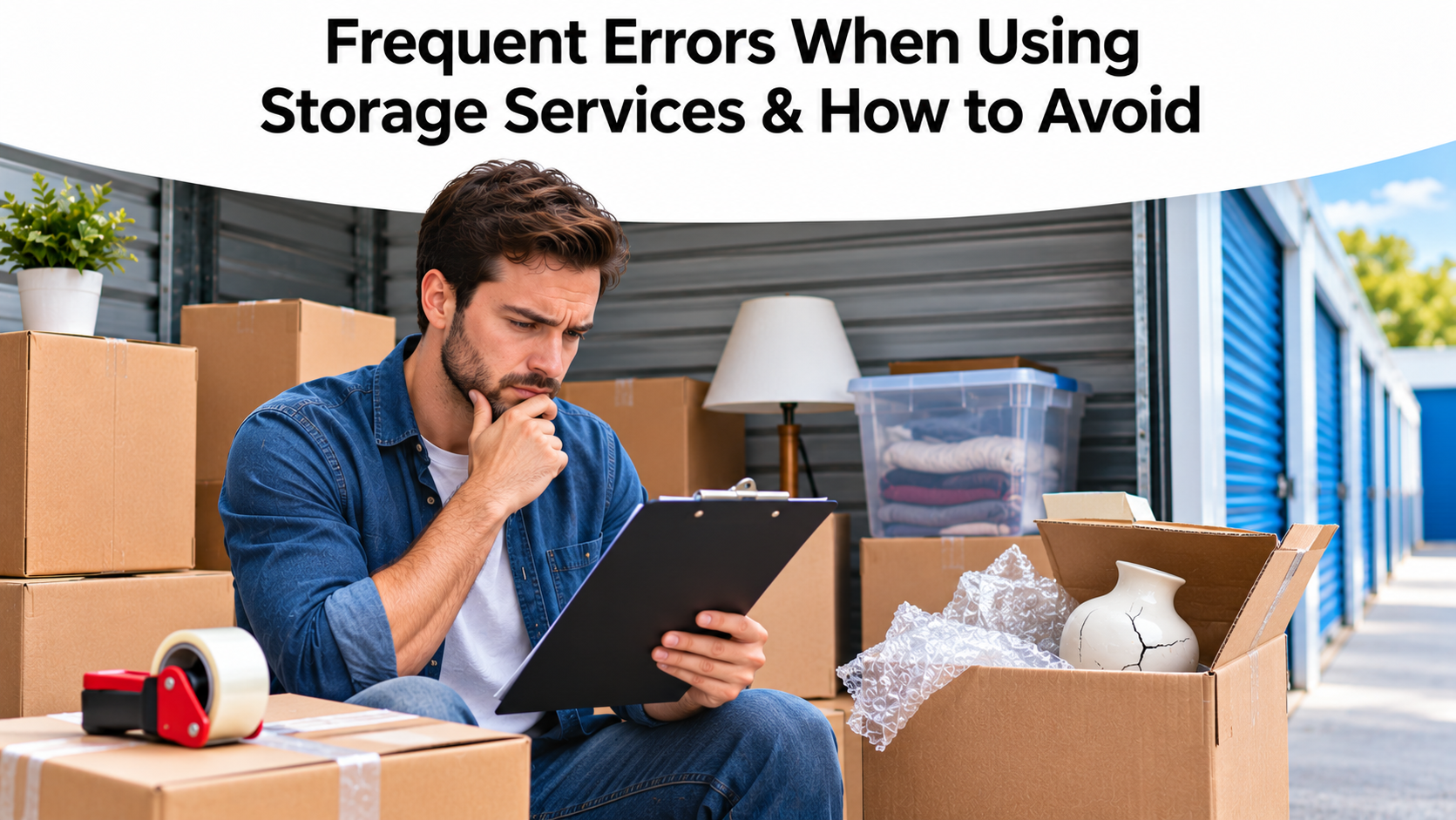
Glassware, dishes, mirrors, picture frames, ceramics, and delicate decorative objects should receive individual protection. Use suitable bubble wrap, packing paper, foam inserts, or dividers to prevent direct contact between items. Fill empty spaces inside boxes so belongings cannot move freely during handling.
Place heavier items at the bottom of containers and lighter objects above them. Avoid creating boxes that are too heavy to lift safely. Mark containers clearly when they hold breakable contents so everyone handling them understands the need for extra care.
For a more detailed packing approach, follow these tips for keeping fragile items safe in a storage unit, particularly when storing valuable glassware, collectibles, electronics, or delicate household belongings.
Protect Furniture from Scratches, Pressure, and Moisture
Furniture can suffer damage when it is moved carelessly, packed while dirty, placed directly against damp surfaces, or exposed to excessive pressure from other belongings. Wooden tables, upholstered sofas, mattresses, cabinets, and metal furniture each require different protective measures.
Disassemble larger pieces when possible and keep screws, fittings, and small components in labeled bags. Cover exposed corners and delicate finishes with suitable furniture blankets or padded materials. Remove detachable legs, shelves, and other components according to the manufacturer's instructions to reduce unnecessary strain during transportation.
Use breathable covers for upholstered furniture and avoid placing heavy boxes on sofas, mattresses, or delicate wooden surfaces. Leave sufficient clearance around furniture where practical to make inspection and retrieval easier. For additional guidance, see the dos and don'ts of storing furniture in a self-storage unit.
Prevent Water Damage by Controlling Moisture Exposure
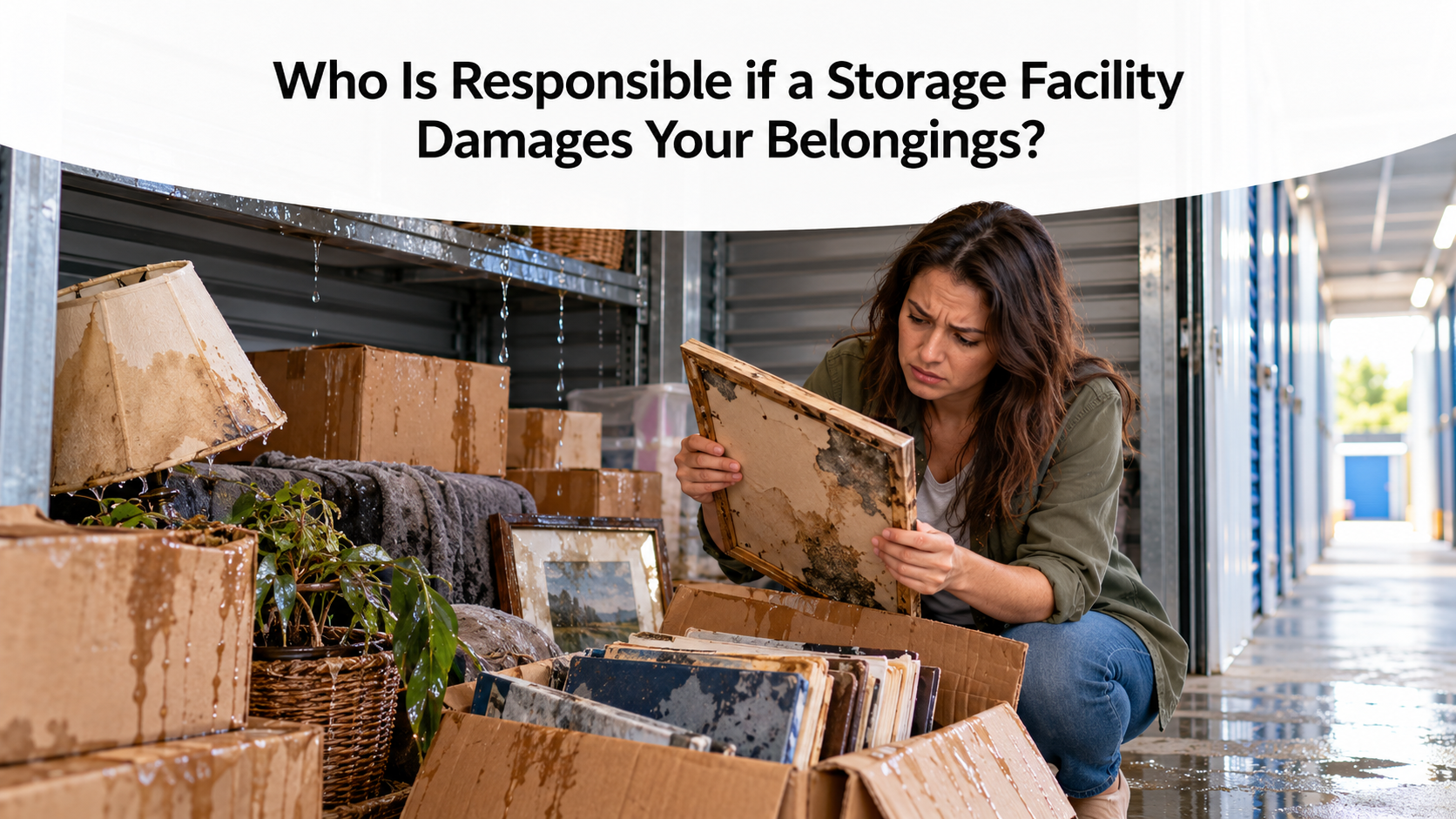
Water damage can affect a wide range of stored property. Cardboard may weaken, photographs and documents may become unusable, electronics may malfunction, and wooden furniture may develop stains or changes in shape. Upholstered belongings can also retain moisture and develop unpleasant odors.
Begin by checking the storage unit for visible leaks, damp walls, roof stains, and water accumulation. Ask facility management to investigate any suspected building issue before storing valuable belongings. Avoid placing sensitive property directly on the floor, particularly in units where water intrusion could occur.
Keep Important Belongings Elevated
Use suitable shelving, pallets, or raised platforms to keep vulnerable containers above direct floor contact where practical. This can help reduce exposure to minor floor-level moisture and make it easier to inspect the space underneath stored belongings.
Do not assume that elevation will protect belongings against significant flooding or water intrusion. It is a preventive measure, not a substitute for selecting a suitable facility and addressing building maintenance concerns.
Avoid Trapping Moisture Inside Packaging
Wrapping damp belongings tightly in plastic can trap moisture against their surfaces. This is particularly concerning for fabric, leather, wood, paper, and other materials that can deteriorate in damp conditions. Make sure items are completely dry before using protective wrapping or sealed containers.
You can also read these storage unit water damage prevention tips for additional ways to reduce the risk of moisture-related problems affecting your valuables.
Arrange Stored Belongings to Prevent Crushing and Falling
A poorly arranged storage unit can create physical hazards even when every item has been packed correctly. Unstable stacks, overloaded shelving, narrow walkways, and containers positioned at awkward angles increase the risk of objects falling or getting damaged when you retrieve something.
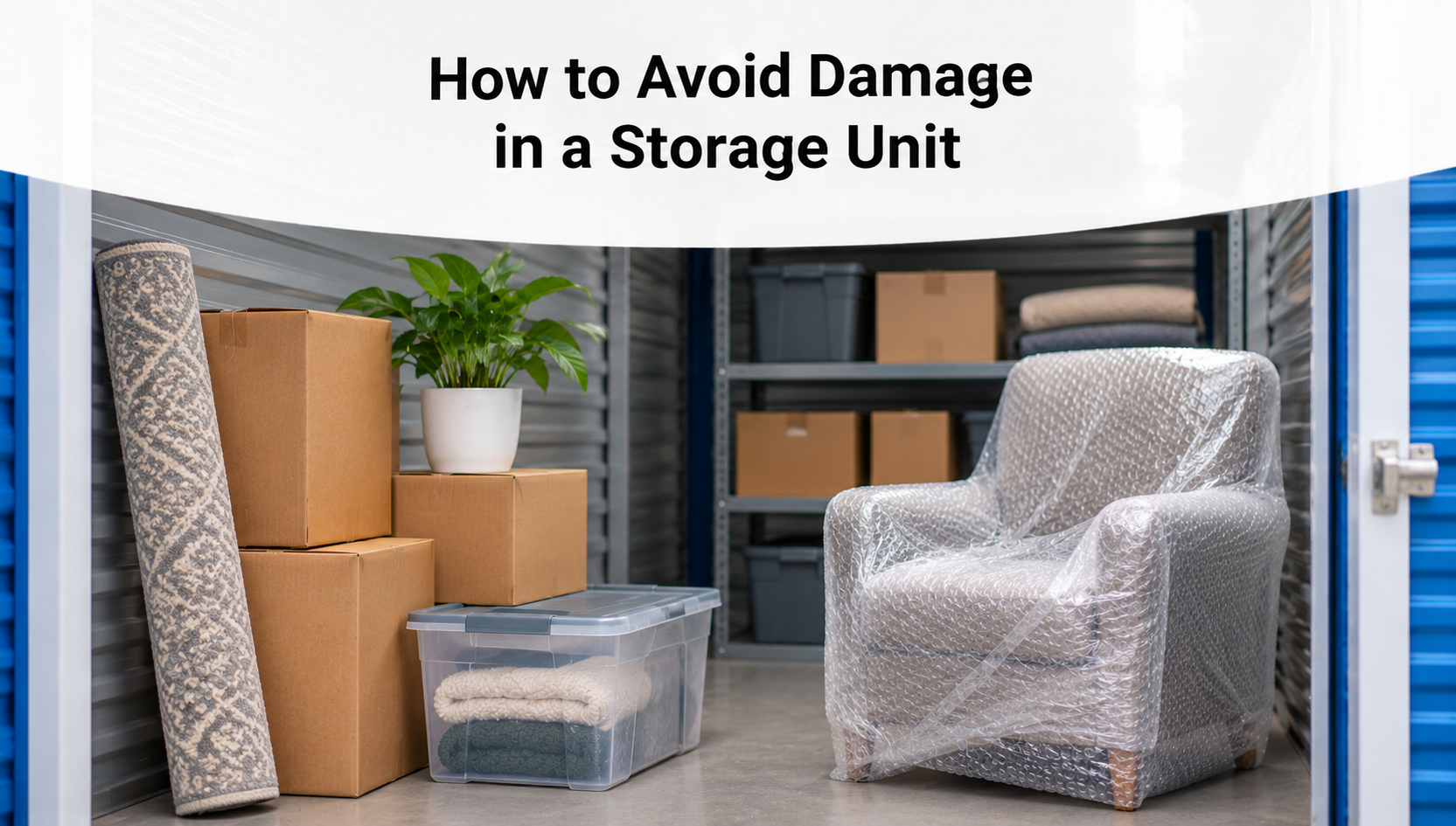
Plan the arrangement before moving everything inside. Place frequently accessed items near the entrance and position heavier containers at the bottom of stable stacks. Keep lighter and more delicate belongings away from areas where they could be crushed by heavier objects.
- Keep the heaviest boxes and suitable sturdy containers on the bottom of each stack.
- Place fragile containers where heavier belongings cannot fall or press against them.
- Avoid stacking containers higher than you can safely reach and manage.
- Use suitable shelving rather than relying on unstable piles of boxes.
- Keep a clear path to the entrance so items can be removed without disturbing entire stacks.
- Do not lean heavy or unstable objects against doors, walls, or other stored belongings.
Leaving space for access is just as important as fitting everything inside. If retrieving one box requires moving several unstable containers, the arrangement may eventually lead to avoidable damage. A practical layout protects belongings while making the unit easier to manage.
Keep the Storage Unit Clean to Reduce Pest and Odor Problems
Dirt, food residue, cardboard waste, and forgotten packaging can contribute to pest problems and unpleasant odors. Rodents and insects may damage clothing, upholstery, paper products, stored equipment, and other belongings if they gain access to a unit.
Clean belongings before moving them in and remove food, spills, and unnecessary packing waste. Do not use a storage unit as a place to keep perishable materials or household waste. Pay attention to signs of pest activity during every inspection and notify facility management if you notice droppings, damaged packaging, nests, or insects.
Keep containers closed where appropriate and avoid leaving loose materials on the floor. You can find additional maintenance advice in this guide on keeping your storage unit clean and organized.
Take Extra Precautions When Storing Electronics and Appliances
Electronics and appliances can be vulnerable to impact, dust, moisture, temperature changes, and incorrect handling. Televisions, computers, printers, audio equipment, kitchen appliances, and other devices should be prepared before being placed in storage.
- Back up important data and remove batteries where recommended by the manufacturer.
- Use original packaging when it is available and in good condition.
- Protect screens and delicate components with suitable cushioning and rigid packaging.
- Keep electronic devices away from direct moisture exposure and potentially leaking containers.
- Store appliances only after they have been cleaned and dried according to their manufacturer's instructions.
- Keep cables, remote controls, accessories, and removable parts labeled and stored together.
Do not wrap electronic equipment while it is warm or damp. Allow it to reach an appropriate storage condition before packing, and follow manufacturer instructions for long-term storage. These precautions help reduce handling damage and make the equipment easier to set up when it is removed from storage.
Inspect Your Belongings and Storage Unit Regularly
Moving everything into a unit and leaving it untouched for several months can make it difficult to identify developing problems. Regular visits give you an opportunity to check the condition of stored belongings, examine the space, and address concerns before they become more serious.
There is no single inspection schedule that works for every storage situation. Visit more frequently when the unit contains sensitive belongings, when the facility has previously experienced maintenance issues, or when changing weather conditions could increase exposure to moisture or other environmental problems.
What Should You Check During an Inspection?
- Look for damp patches, water stains, leaks, condensation, or unusual odors.
- Check that the door, lock, and other access components remain in good condition.
- Examine boxes for crushing, moisture, tears, or signs of pest activity.
- Check furniture covers and protective materials for displacement or damage.
- Make sure stacked containers and shelving remain stable.
- Confirm that walkways remain clear and stored belongings have not shifted into unsafe positions.
Do not ignore small changes. A slightly damp box, an unusual smell, or a newly damaged cover can indicate a problem that deserves investigation. Contact facility management when you notice building-related issues rather than attempting repairs that are outside your responsibility.
Maintain an Inventory and Document the Condition of Stored Items
An organized inventory makes it easier to locate belongings, keep track of their condition, and identify missing or damaged property. It also provides useful information if you need to discuss a loss with your storage facility or insurance provider.
Create a record that includes descriptions, quantities, approximate purchase dates, and values where available. Take photographs before items are packed, especially when storing expensive furniture, electronics, artwork, or business equipment. Record serial numbers for identifiable devices and keep receipts or purchase confirmations when possible.
- Use clear labels to identify boxes without having to open each container.
- Keep a separate digital list of all stored belongings.
- Save photographs of furniture, electronics, appliances, and other valuable property.
- Record any existing scratches, dents, or defects before placing items into storage.
- Store inventory records and important documents somewhere separate from the unit.
Keep your documentation current when you add, remove, or replace belongings. An accurate inventory is more useful than trying to remember everything after an unexpected incident.
Understand What Storage Insurance Can and Cannot Protect
Preventive measures reduce avoidable storage risks, but they cannot eliminate every unexpected event. A well-packed and carefully arranged unit can still be affected by a covered incident such as burglary, fire, or certain types of water damage. This is why physical protection and financial protection should be considered separately.
Storage unit insurance may provide financial protection for eligible belongings when a qualifying covered loss occurs. However, protection depends on the specific policy, covered causes of loss, exclusions, limits, deductibles, and other applicable conditions. It should not be assumed that every form of damage is automatically covered.
Review Your Coverage Before Moving In
Check whether your existing homeowners or renters insurance extends to belongings kept in a separate storage facility. Do not assume that protection automatically applies to every stored item, location, or cause of loss. Review the policy wording and compare it with the value and type of property you intend to store.
Consider a dedicated storage unit insurance coverage option if you need protection specifically designed for eligible belongings kept in self-storage. Compare available limits, covered events, deductibles, and exclusions before selecting a policy.
Know What to Do if Your Belongings Are Damaged
Discovering damaged belongings can be frustrating, particularly when you have taken precautions to keep everything safe. If damage occurs, prioritize personal safety and avoid disturbing the affected area unnecessarily. Photograph the unit, the damage, and individual belongings before moving or disposing of anything when it is safe and appropriate to do so.
Notify the storage facility about any building-related concerns and follow the reporting instructions provided by your insurance policy. Keep records of communications, incident reports, photographs, and receipts. You can learn more about the process in this guide to how storage insurance claims work.
Storage Unit Damage Prevention Checklist
Before leaving your storage unit for an extended period, review the following checklist. These steps provide a practical final check to make sure belongings have been prepared, packed, and arranged with care.
- Inspect the unit for leaks, dampness, structural concerns, and signs of pests.
- Confirm that the storage environment is appropriate for the belongings being stored.
- Clean and dry all belongings before placing them in boxes or protective covers.
- Use suitable containers, cushioning, and protective materials for different item types.
- Protect furniture, glassware, electronics, and other vulnerable belongings against impact and pressure.
- Keep boxes and sensitive belongings away from direct floor contact where practical.
- Arrange items in stable stacks and keep an accessible walkway.
- Remove food, waste, and anything that could attract pests.
- Photograph valuable belongings and complete an inventory before leaving.
- Secure the unit properly and keep the key or access information in a safe place.
- Review your insurance documents and understand the applicable coverage conditions.
Conclusion: Protect Your Belongings Before Damage Happens
Avoiding damage in a storage unit requires more than choosing a space and placing your belongings inside. Proper preparation, suitable packing materials, stable placement, moisture prevention, pest awareness, and regular inspections all contribute to maintaining the condition of stored property.
Start by selecting a suitable facility, checking the unit before move-in, and preparing each item according to its storage requirements. Continue protecting your belongings through organized placement and periodic inspections. Keep an updated inventory and understand the limitations of any insurance policy you rely on for financial protection.
Discount Storage Insurance offers dedicated insurance options for eligible belongings kept in self-storage and mobile storage arrangements. Combining responsible storage practices with an appropriate insurance policy can help you prepare for unexpected events while keeping your property protected as carefully as possible.
Frequently Asked Questions
What Is the Best Way to Prevent Damage in a Storage Unit?
The best approach is to combine proper preparation, suitable packing, and regular inspections. Clean and dry belongings before storage, use sturdy containers, protect fragile surfaces, arrange items in stable stacks, and select a facility that suits the type of property you intend to store. Periodic visits can help identify problems before they become more serious.
How Do I Keep My Belongings from Getting Wet in a Storage Unit?
Inspect the unit for leaks and dampness before moving belongings inside. Use appropriate containers, keep vulnerable items away from direct floor contact where practical, and make sure everything is dry before packing. Report signs of water intrusion to facility management promptly. These precautions reduce some moisture-related risks but cannot guarantee protection against flooding or significant water damage.
Should I Cover Everything in a Storage Unit?
Protective covers can help prevent dust accumulation, scratches, and accidental surface damage. However, the material should suit the item being covered. Breathable covers are often preferable for furniture and upholstered belongings, while suitable rigid containers and protective wrapping may be more appropriate for delicate household items. Avoid trapping moisture under tightly sealed coverings.
Can Items Get Damaged in a Climate-Controlled Storage Unit?
Yes. Climate-controlled storage helps manage temperature and humidity, but it does not eliminate every risk. Improper packing, physical impacts, building leaks, pest activity, equipment problems, and unexpected incidents can still affect stored property. Continue using appropriate packing methods and inspect your belongings periodically.
How Often Should I Check My Storage Unit?
The ideal inspection frequency depends on the length of storage, the types of belongings, and the conditions at the facility. Check more frequently if you are storing valuable or sensitive property or if you have noticed previous maintenance concerns. A periodic inspection schedule helps identify changes in the unit and the condition of your belongings.
Does Storage Unit Insurance Cover All Types of Damage?
No. Storage insurance generally applies to specified covered causes of loss and eligible property, subject to policy terms, exclusions, limits, deductibles, and conditions. Gradual deterioration, improper packing, certain types of moisture damage, and other circumstances may be excluded or restricted. Read the actual policy documents to understand exactly what protection applies to your belongings.
What Should I Do if My Belongings Are Damaged in Storage?
First, make sure the area is safe to enter. Photograph the damage and affected belongings before moving or disposing of anything when possible. Notify the storage facility about building-related issues and contact your insurance provider according to the policy's reporting requirements. Keep copies of photographs, receipts, inventories, and communications to support any potential claim.
Is It Better to Use Plastic Bins or Cardboard Boxes for Storage?
Both can be suitable depending on what you are storing and the conditions of the unit. Sturdy plastic bins with fitted lids can provide useful protection against dust and incidental contact with moisture, while strong cardboard boxes are convenient for many dry household belongings. Make sure everything is completely dry before packing and avoid sealing moisture-sensitive items in airtight containers without considering ventilation requirements.
Does Elevating Items Prevent Storage Unit Damage?
Keeping boxes and sensitive belongings raised above direct floor contact can reduce exposure to minor floor-level moisture and make inspections easier. However, it does not guarantee protection against leaks, flooding, or significant water intrusion. Choose a suitable facility and report any signs of water problems instead of relying on elevation alone.
.png)